Wondering if there is a “right” month to make your move in Dartmouth? Timing matters here, especially with coastal demand, the school calendar, and New England weather shaping activity. You want the most eyes on your listing if you are selling and the best leverage if you are buying. In this guide, you will learn how Dartmouth’s market cycles through the seasons, how neighborhood and property type change the calendar, and how to plan a 3–6 month timeline with clear steps. Let’s dive in.
Dartmouth’s seasonal market rhythm
Dartmouth follows the classic New England cycle. Activity builds from late winter into spring, peaks in late spring and early summer, then eases through late summer and fall before slowing in winter. Inventory tends to expand in spring, which draws more buyers and more competition.
Four variables reveal seasonality most clearly: inventory, new listings, buyer demand, and days on market. Pricing often lags by a few weeks, so spring bidding can show up as higher sale-to-list ratios by early summer. Macro factors like mortgage rates or employment can amplify or soften these patterns.
What to expect month by month
- January–February: Lowest inventory and slower showings. Motivated listings appear, but days on market rise.
- March–May: New listings and showings ramp up. Competition and sale-to-list ratios often peak.
- June–August: Strong activity continues, especially for waterfront and village homes. Some cooling late August as school approaches.
- September–October: Activity tapers. Buyers may find more room to negotiate.
- November–December: Slowest period with higher days on market and more frequent concessions.
Best months to sell
If you want the largest buyer pool and shorter days on market, focus on spring through early summer. Fresh landscaping, bright photos, and the school calendar all help. Waterfront and vacation-style homes benefit from being listed in late winter or early spring so summer buyers can move in for the season.
Sellers who list in late fall or winter can still succeed with the right strategy. Expect fewer showings, longer timelines, and more negotiation on price or terms. In those months, strong interior presentation and competitive pricing can be decisive.
Best months to buy
If you prioritize selection, spring and early summer bring the most options. Be ready for faster decisions and stronger offers from other buyers. Shorter days on market and higher sale-to-list ratios are common in this window.
If you want leverage, late fall and winter often provide better negotiation power. You may see more price flexibility or credits, though you will be choosing from a smaller pool of homes. Patience pays off when inventory is thin.
How neighborhoods change timing
Dartmouth’s micro-markets shape the calendar in meaningful ways:
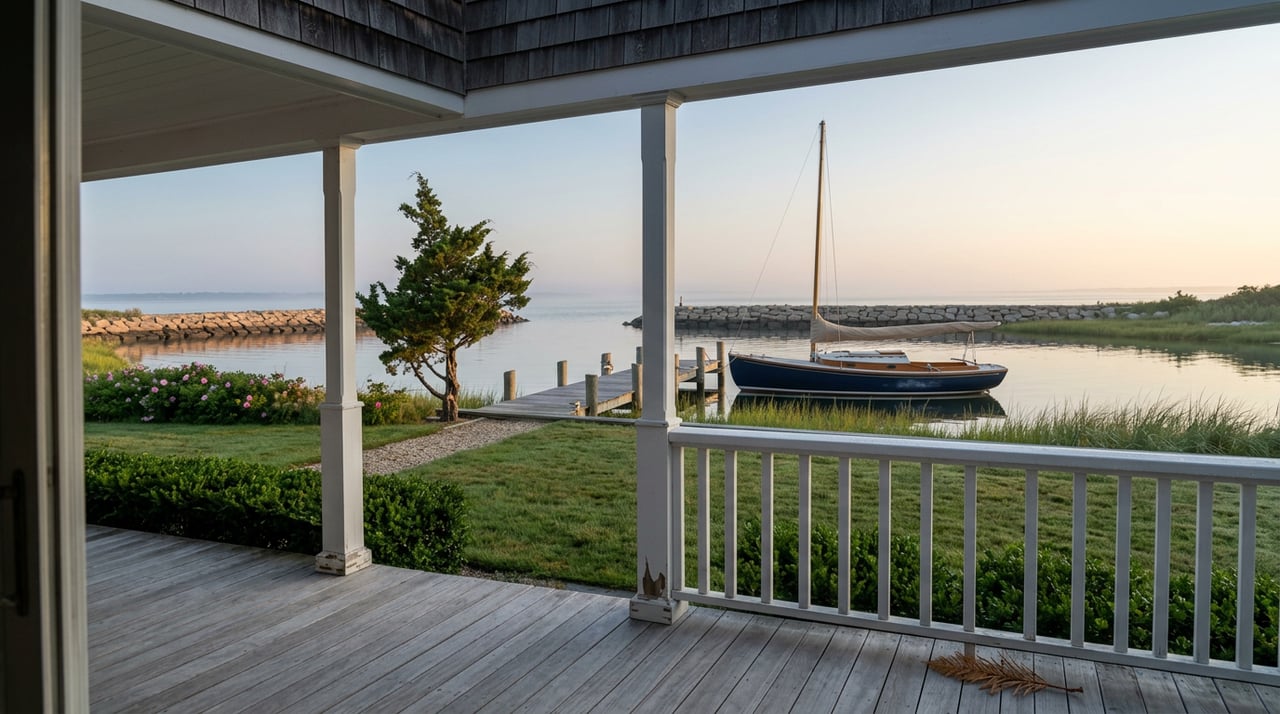
- Coastal and village areas (Padanaram, South Dartmouth): Increased spring and summer interest, including second-home demand. Premium pricing is most achievable when you capture the early-season wave.
- Commuter corridors (near I‑195 and Route 6): Timing often follows the school calendar and job moves. Spring listing windows attract a broad buyer pool.
- Rural and interior pockets: Longer marketing windows and more specialized buyer pools. Seasonality is less pronounced, and pricing relies on the right match rather than a rush of showings.
- Condos and newer subdivisions: More steady demand across the year, though financing costs and mortgage rate moves can shift leverage quickly.
What data to watch
Use a monthly view for at least three years to separate normal seasonality from one-off spikes. Focus on:
- Active inventory and new listings
- Pending and closed sales
- Median sale price and price per square foot
- Median and average days on market
- List-to-sale price ratio
- Months of inventory and pending-to-new-listings ratio
Interpret key signals with a few guideposts:
- Months of inventory under 4 points to a seller’s market. Four to six suggests balance. Over 6 favors buyers.
- List-to-sale ratios near or above 100 percent signal strong seller leverage. Below 98 percent tilts to buyers.
- Use medians for price trends in Dartmouth. A few high-value waterfront sales can skew averages.
Seller timeline: 3–6 months
Targeting a spring launch (March–May)
- Months 6–5: Interview agents and request a market analysis. Start decluttering and plan low-cost repairs. Consider a pre-list inspection if appropriate.
- Month 4: Schedule contractor work, deep clean, finalize staging plan. Gather permits, warranties, and utility records.
- Months 2–1: Refresh landscaping for curb appeal. Book professional photos on bright days and stage for light and space. Set pricing with your agent and plan early-week go-live.
- Listing week: Launch Tuesday or Wednesday. Offer broad showing windows and highlight move dates that align with buyer needs.
Listing in late fall or winter (November–January)
- Weeks 6–4: Prioritize interior upgrades, lighting, and warm presentation. Price competitively to attract a smaller buyer pool.
- Consider incentives: flexible closing, closing cost help, or a home warranty. Expect longer days on market and more negotiation.
Dartmouth seller tips
- Waterfront and village properties: Prepare early, and make seasonal disclosures readily available.
- Family-oriented streets: Many buyers schedule moves around the school year. Clarify closing and occupancy options.
- In a high-inventory spring, quality marketing and accurate pricing stand out.
Buyer timeline: 3–6 months
Buying into spring competition
- Month 6: Get your finances in order. Secure a full pre-approval, not just a pre-qualification.
- Months 4–3: Tour neighborhoods and define must-haves and nice-to-haves. Clarify commute, waterfront vs inland, and maintenance preferences.
- Months 2–1: Set alerts, tour quickly, and align on offer strategies, including escalation clauses only after agent guidance.
Seeking off-season leverage (fall/winter)
- Search steadily and be ready to act when the right home appears. Inventory is lean but sellers may be more flexible.
- Use inspection and appraisal contingencies prudently. Credits or repairs can be more achievable.
Dartmouth buyer tips
- Waterfront: Review flood and tide considerations, insurance, and septic versus municipal services. Understand seasonal carrying costs.
- Commuters: Test drive routes during peak times to gauge real travel windows.
- School-year movers: Plan closing and move dates to minimize schedule disruptions.
Negotiation playbook by season
- Peak months: Expect faster timelines and competing offers. Tighten contingencies and be flexible on closing dates.
- Slower months: Aim for price reductions, credits, or favorable terms. Longer negotiations are common.
- Always confirm local norms for contingencies and deposits. Practices can vary by property type and neighborhood.
Limitations to keep in mind
- Small-sample volatility can skew monthly medians, especially near the waterfront. Medians and multi-year averages give a clearer picture.
- Macro conditions like rate shifts can override seasonality. Track current trends alongside seasonal patterns.
- Closed-sale data lags. Pending contracts and new listings provide earlier signals.
Work with a local advisor
A well-timed plan starts with the right preparation, pricing, and marketing. You get more confidence when your advisor pairs neighborhood-level research with polished presentation and disciplined project management. From Compass Concierge improvements to off-market exposure through Private Exclusives, you can choose a strategy that fits your timeline and goals.
If you are considering a move in the next 3–6 months, schedule a conversation to map out the best window and steps for your property type. Connect with Erin Hovan to get a clear, data-informed plan tailored to Dartmouth.
FAQs
What is the best month to sell a Dartmouth home?
- Spring through early summer typically brings the largest buyer pool and shorter days on market, with pricing strength often visible in sale-to-list ratios.
Can buyers get better deals in Dartmouth during winter?
- Late fall and winter often offer more negotiation power and potential concessions, but inventory is thinner and searches may take longer.
Do waterfront homes in Dartmouth follow a different timeline?
- Yes. Waterfront and village properties see heightened interest in spring and summer, so listing in late winter or early spring can capture premium demand.
How do mortgage rates affect the “best time” to move?
- Rate shifts can amplify or mute seasonality. Rising rates may flatten demand across seasons, while lower rates can intensify spring competition.
What metrics should I track before I list or buy in Dartmouth?
- Monitor new listings, active inventory, pending sales, median price, days on market, list-to-sale ratio, and months of inventory on a monthly basis for 3–5 years.