Thinking about buying in Marion and wondering if an HOA is worth it? You are not alone. Coastal living adds unique costs and rules, and HOA dues can confuse even seasoned buyers. In a few minutes, you will understand what homeowners associations and condos typically cost in Marion, what they cover, how financing and insurance play in, and the red flags to watch for. Let’s dive in.
HOA vs no HOA in Marion
Where HOAs and condos show up
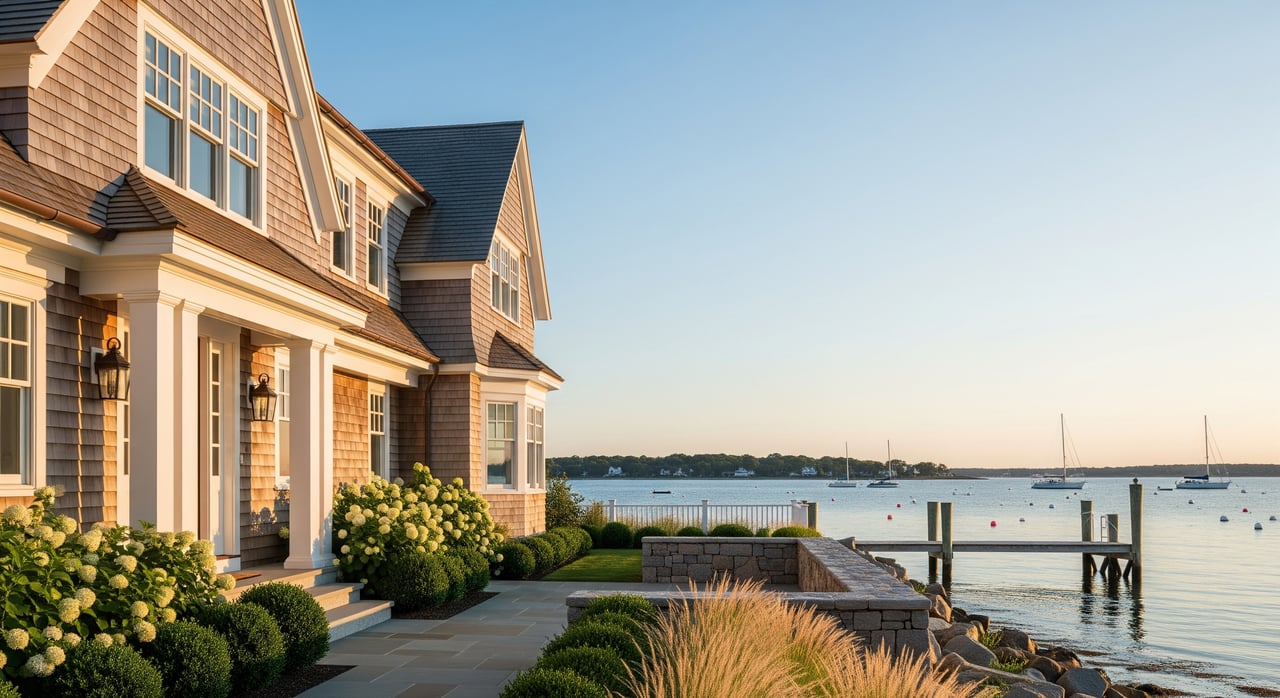
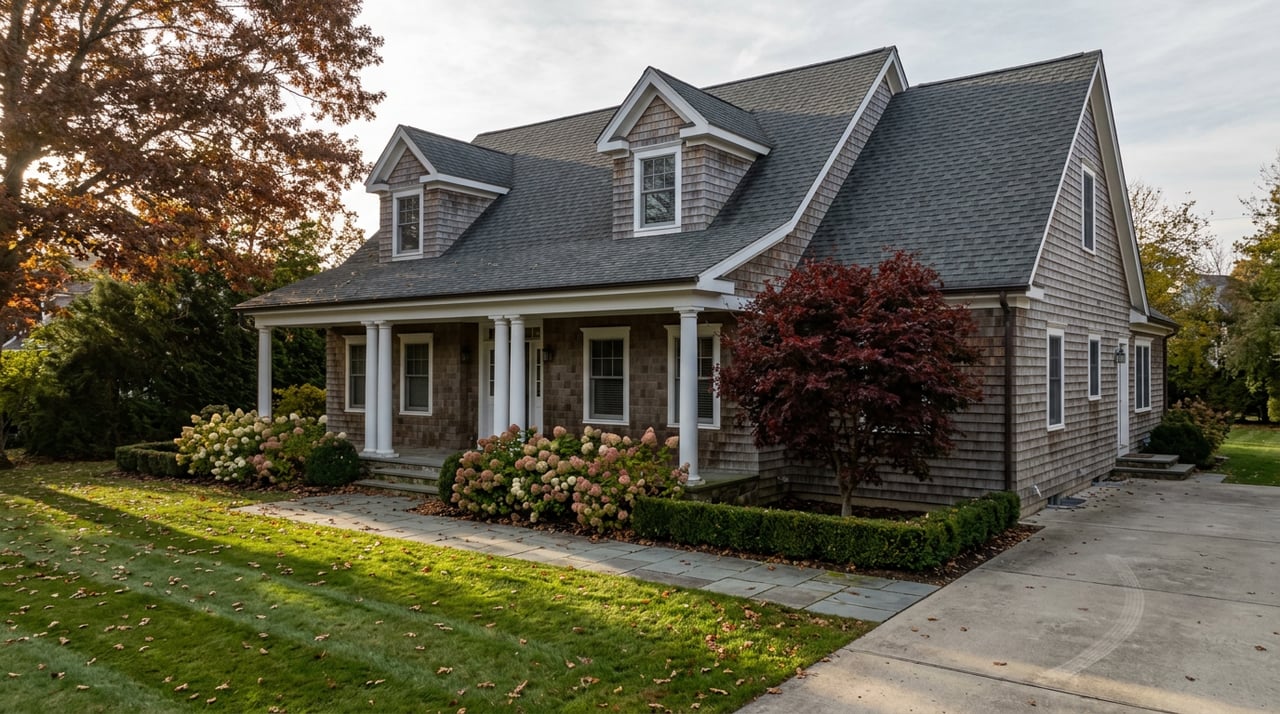
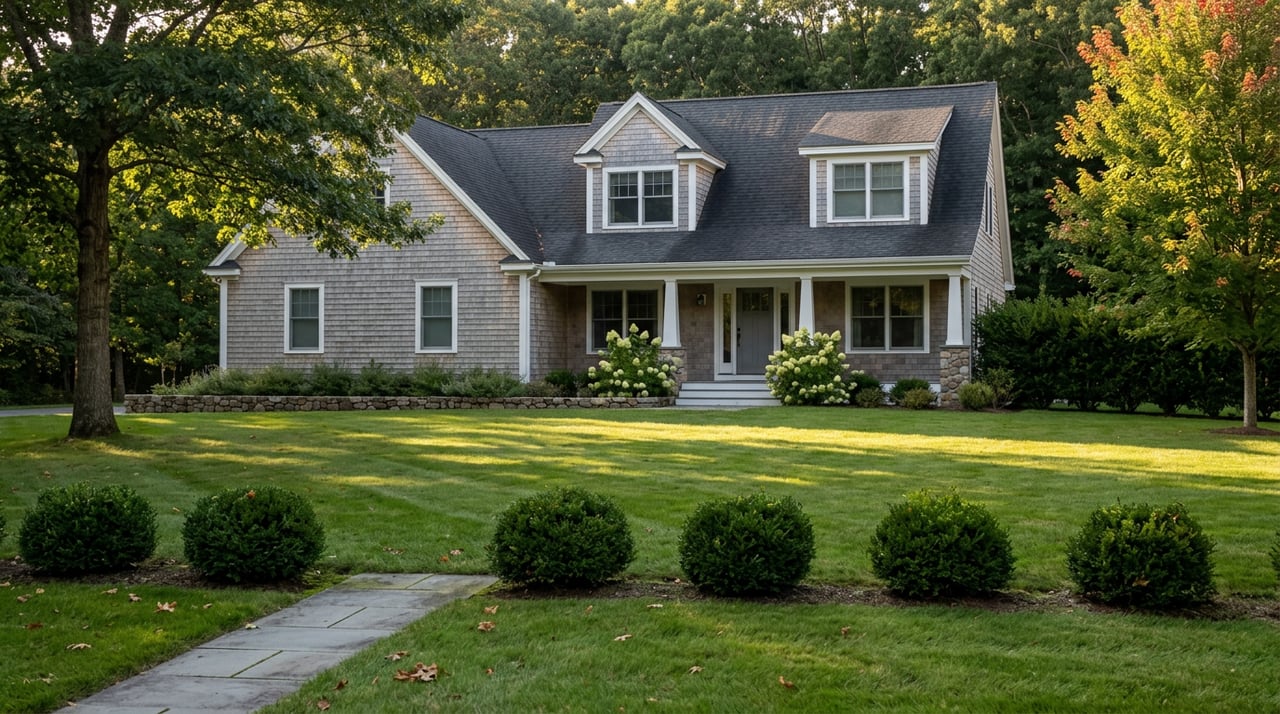
Marion is a small coastal town with a mix of fee‑simple single‑family homes and smaller condominium communities. You tend to see more condos and association communities near the waterfront and village areas, plus in clustered infill developments. Much of the rest of town is traditional single‑family housing without an HOA.
Who tends to choose each option
Many buyers choose condos for a “lock‑and‑leave” setup, downsizing, or a second‑home base near the water. Fee‑simple homes appeal if you want control over the exterior and land, or prefer to avoid monthly association dues. Seasonal population swings also shape rules around rentals, guest stays, and use of amenities.
What HOA dues cost in Marion
Typical ranges and why they vary
In Southeastern Massachusetts coastal towns like Marion, many condominium dues fall somewhere in the range of about 200 to 800 dollars per month. Smaller associations with minimal services may sit at the lower end, while waterfront or amenity‑rich complexes often land higher. Planned single‑family communities, if present, commonly charge lower monthly dues, sometimes 25 to 300 dollars, or levy annual assessments instead. These are planning ranges, not quotes, since each community’s services and scale are different.
Fees vary based on several cost drivers:
- Scope of services like exterior maintenance, landscaping, snow removal, trash, docks, elevators, security, and amenities.
- Insurance costs for the master policy. Coastal properties often face higher premiums and larger deductibles.
- Utilities included in dues, such as heat, hot water, water or sewer, and exterior lighting.
- Reserve funding and capital planning. Strong reserves can mean slightly higher dues but a lower risk of special assessments.
- Association size. Smaller communities spread fixed costs over fewer homes.
- Local contractor and material costs, which tend to be higher along the coast.
Special assessments and coastal surprises
Special assessments are not unusual, especially for big-ticket repairs like roofs or bulkhead work. Coastal associations can face additional projects such as seawalls and dock maintenance. Always review the association’s history of special assessments and the most recent reserve study so you can gauge future risk.
What HOA fees usually cover
Association responsibilities
Condo and HOA dues commonly fund:
- Building exterior and common structures such as roofs, siding, stairways, and paint, depending on the governing documents.
- Common area maintenance, including sidewalks, driveways, parking lots, landscaping, snow removal, and exterior lighting.
- Amenities like pools, clubhouses, fitness rooms, docks, and playgrounds.
- The master insurance policy for common elements and building structure.
- Management, legal and accounting, tax filings, and reserve studies.
- Certain utilities if the budget includes them.
Your responsibilities as an owner
Owners typically handle interior maintenance such as appliances, finishes, flooring, and personal property coverage through an HO‑6 policy. Some items that feel “exterior,” like windows, doors, or decks, can be owner obligations depending on the master deed and bylaws. You also handle your mortgage, property taxes, and any utilities not covered by dues.
Coverage gaps to confirm in Marion
Coastal risk matters. Ask whether the master policy is “all‑in” or “bare walls‑in,” and note the deductible size. Large deductibles are common near the coast and can shift costs to owners during claims. Confirm flood and wind coverage if the property is within a FEMA flood zone, and clarify whether the association carries flood insurance for the building and what you must carry for interior finishes and contents.
Governance and lending in Massachusetts
Documents to review before you buy
Massachusetts condominiums operate under the Massachusetts Condominium Act, along with the association’s master deed, declaration, bylaws, and rules. Before committing, request:
- Current budget, recent financials, and the latest reserve study.
- Six to twelve months of board meeting minutes.
- Bylaws, rules and regulations, and any architectural review guidelines.
- Certificates of insurance summarizing coverage and deductibles.
- An estoppel or status certificate stating dues and any unpaid assessments.
- Disclosure of any pending litigation.
Financing and resale impacts
Lender requirements matter, especially for condos. Some loans backed by Fannie Mae, Freddie Mac, FHA, or VA have project standards for insurance, reserves, owner‑occupancy, delinquency rates, and litigation. If a condominium does not meet those standards, it can shrink the pool of eligible buyers. Associations with solid reserves, clear rules, and stable finances can support stronger resale value and easier financing.
Compare monthly costs
Do not compare just “dues vs no dues.” Compare total monthly cost.
- Illustrative condo scenario: 400 dollars per month in dues that include exterior maintenance, water, and snow removal, plus your mortgage, property taxes, and insurance.
- Illustrative fee‑simple scenario: no monthly dues but add routine landscaping and snow removal equivalents, plus an allowance for long‑term capital items like roof replacement, siding, or coastal maintenance such as a bulkhead or seawall if applicable.
The best approach is to estimate your full housing cost, then compare the condo to a similar no‑HOA home. A higher monthly due can still be the lower‑stress and lower‑risk option if it funds strong reserves, professional management, and key utilities.
Buyer checklist for Marion
- Financial diligence. Request the budget, two years of financials, the reserve study, meeting minutes, assessments history, the estoppel certificate, insurance certificates, and all governing documents.
- Total cost calculation. Add mortgage principal and interest, property taxes, owner’s insurance, HOA dues, and any utilities. For no‑HOA homes, add realistic exterior maintenance and seasonal services.
- Use rules and lifestyle fit. Confirm pet policies, rental and short‑term rental rules, parking, guest access, and any seasonal use restrictions.
- Architectural controls. Review exterior change procedures for windows, colors, fencing, sheds, additions, and solar.
- Maintenance and capital plans. Look for a recent reserve study and a pattern of consistent reserve funding.
- Insurance specifics. Confirm master policy type and deductibles, plus flood and wind coverage. Verify what you must insure as a unit owner.
- Flood exposure. Check whether the property sits in a mapped flood zone and whether flood insurance is required by a lender.
- Management and governance. Note if the association is professionally managed or self‑managed, and look for signs of transparency and stability in minutes.
- Financing and approvals. Ask if the condominium meets common lender standards for FHA, VA, Fannie Mae, and Freddie Mac.
Red flags to pause on
- No reserve study or very low reserves relative to upcoming projects.
- A pattern of special assessments or large assessments on the horizon.
- Pending litigation involving construction defects or common elements.
- High delinquency rates on dues.
- Insurance challenges, non‑renewals, or very large deductibles.
- Rules that conflict with your plans, such as strict rental limits if you plan to rent.
- A single investor or developer holding a large share of units.
The bottom line for Marion buyers
Match the property type to your lifestyle, risk tolerance, and long‑term budget. In a coastal town like Marion, higher insurance costs and capital projects are part of the reality, whether they show up as monthly dues or as variable owner expenses. A well‑run association can offer low‑maintenance living and protect the building, while a fee‑simple home gives you control but requires disciplined budgeting for upkeep. If you want help comparing specific buildings or streets, schedule a consultation with Erin Hovan for a straightforward, data‑informed plan.
FAQs
What do HOA fees typically cover in Marion condominiums?
- They commonly fund exterior and common‑area maintenance, amenities, the master insurance policy, management and accounting, and sometimes utilities like water or heat.
How much are HOA dues in Marion compared to single‑family HOAs?
- Many condo dues in coastal Southeastern Massachusetts range from about 200 to 800 dollars monthly, while planned single‑family communities, if present, often charge lower monthly or annual dues.
What special assessments should Marion buyers anticipate near the coast?
- Coastal associations may assess for big items like roofs, seawalls, docks, or bulkhead repairs, so review reserve studies and meeting minutes for upcoming projects.
How do lender rules affect buying a Marion condo with an HOA?
- Loans backed by Fannie Mae, Freddie Mac, FHA, or VA have condo project standards that can limit financing if reserves, insurance, occupancy, or litigation do not meet guidelines.
What insurance details should I verify before buying a coastal condo in Marion?
- Confirm the master policy type and deductible, whether flood and wind coverage are in place, and what you must insure inside the unit with an HO‑6 policy.
What documents should I request from a Marion HOA before closing?
- Ask for the current budget, recent financials, reserve study, board minutes, bylaws and rules, insurance certificates, an estoppel certificate, and any litigation disclosures.