What It’s Like Living in Dartmouth, MA Every Day
February 5, 2026
February 5, 2026
Looking for a relaxed coastal lifestyle without the Cape crowds? In Dartmouth, you get calm harbors, village strolls, and practical amenities that make everyday life simple. If you’re considering a move, you want more than postcard views. You want to know how the town works week to week. This guide shows you how Dartmouth lives day to day, from neighborhoods and commutes to beaches, boating, schools, and storm prep. Let’s dive in.
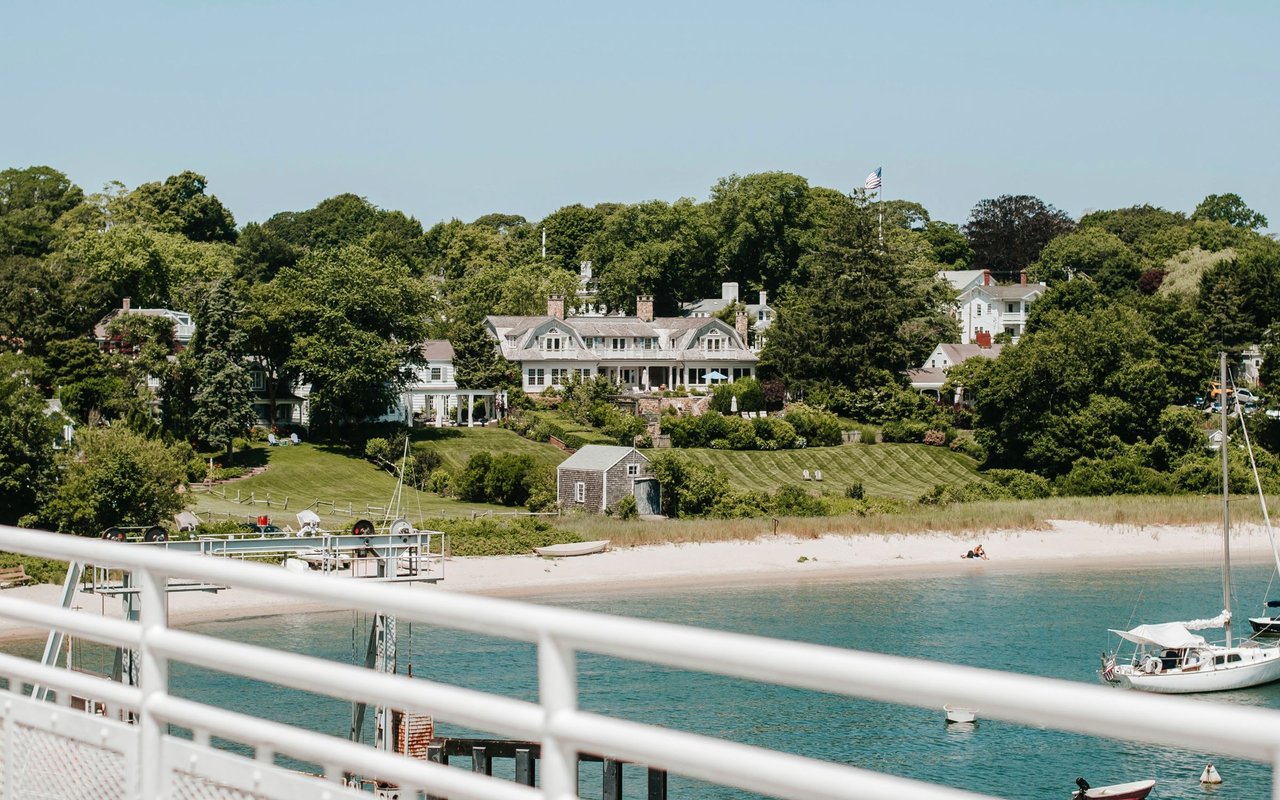
Dartmouth blends a working waterfront with quiet residential streets. Summer brings harbor activity, outdoor dining, and more visitors, while winter feels calm and neighborly. You can spend mornings walking the beach, afternoons tackling errands, and evenings catching a performance or local event. It’s coastal living that stays practical year round.
Padanaram, the best-known village harbor, anchors the social and boating scene. You’ll find small shops, cafes, and boat-related businesses clustered near the water. North and central Dartmouth lean more suburban with larger shopping centers and grocery options for quick trips.
If you want walkable dining near the water, look to Padanaram and nearby South Dartmouth streets. Housing ranges from older cottages and historic homes to modern waterfront condos and estates. Expect a premium for harbor views, tighter parking in peak season, and potential flood insurance needs.
Suburban subdivisions, ranches, colonials, and newer single-family developments are common here. You’ll have quick shopping access and straightforward commutes to regional job centers. This area suits buyers who value convenience and proximity to UMass Dartmouth.
Farther from the harbors, you’ll see larger lots, former farmland, and homes with more privacy. It’s a quieter setting with room for gardens or hobbies. Plan for longer drives to beaches, marinas, and village centers.
Some pockets offer private beaches or club-style amenities. These areas fit buyers who want managed coastal access and a more private environment. Budget for association rules and fees, and confirm any limits on guest or public access.
Most residents rely on a car for daily life. You’ll have short drives to New Bedford and reasonable access to Providence and Boston on lighter traffic days. Public transit is more limited compared with Greater Boston.
The state’s South Coast Rail project aims to expand commuter rail access for the region. Check the state site for current phases, service maps, and timelines. In summer, expect more traffic near village centers and coastal roads.
Dartmouth Public Schools operates the local elementary, middle, and high schools. You’ll also find private and parochial options across the South Coast. For higher education and cultural programming, UMass Dartmouth adds concerts, exhibits, and continuing education. The university’s presence contributes to local energy during the academic year.
Beach walks, kayaking, and boating are part of the routine here. Demarest Lloyd State Park offers Buzzards Bay beach access, picnicking, and birding. Local conservation lands and trails give you offseason options for quiet hikes and nature watching.
Boating is central to the Dartmouth lifestyle. Padanaram Harbor and area marinas support seasonal moorings, small-vessel fishing, and summer traditions like boat gatherings and parades. Before shellfishing, check the Massachusetts Division of Marine Fisheries for licensing and seasonal closures, and confirm local rules with the town.
Dartmouth has a classic New England coastal climate: warm summers, cold winters, and the potential for nor’easters or occasional tropical systems. If you’re considering a waterfront or low-lying property, review FEMA flood zones and base flood elevations. Start with the FEMA Flood Map Service Center and the town’s building and zoning offices.
For long-term planning, the Massachusetts Office of Coastal Zone Management publishes guidance on sea level rise and coastal resilience. These resources help you understand risks, insurance needs, and home-improvement priorities like drainage, elevation, and materials.
North Dartmouth has grocery-anchored retail, big-box options, and everyday services. Village centers like Padanaram add specialty shops and casual waterfront dining for weekends and evenings. Nearby New Bedford expands your choices for professional services, cultural venues, and larger retailers. For town services, beach rules, and harbor information, use the Town of Dartmouth website.
If Dartmouth’s blend of harbors, trails, and practical convenience sounds right, you deserve a clear, data-informed plan. Our team pairs neighborhood-level insight with polished marketing and reliable execution, including staging and Compass platform tools when you sell. For a focused conversation about your goals, connect with Erin Hovan.

Our team takes great pride in helping clients reach their real estate goals, consistently earning five-star reviews for our dedication and expertise. We serve as trusted advisors to individuals, families, and developers seeking the area’s most desirable properties.