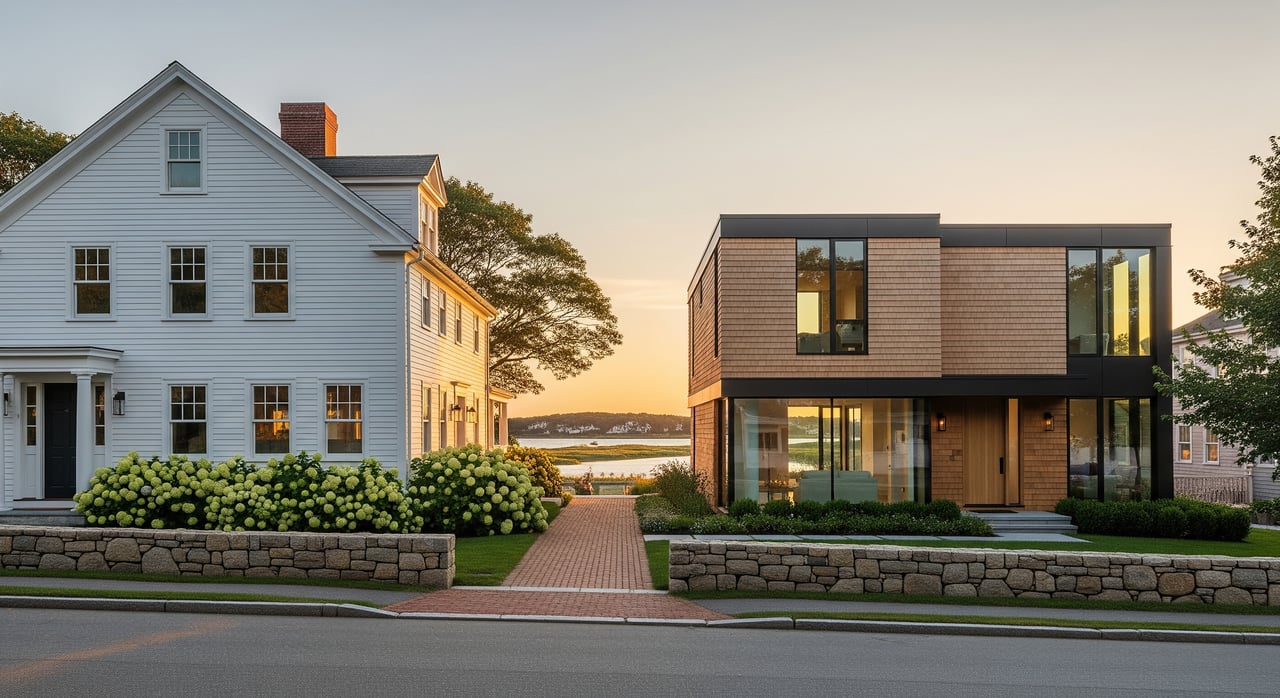
New Construction Vs Historic Homes In Mattapoisett
January 1, 2026
January 1, 2026
Are you torn between the charm of an antique village home and the ease of a brand‑new build in Mattapoisett? You are not alone. Many buyers love the coastal setting and historic feel here, but also want modern systems, lower energy bills, and fewer surprises. In this guide, you will learn the practical trade‑offs that matter most in Mattapoisett, from flood exposure and historic approvals to energy performance, inspections, and resale. Let’s dive in.
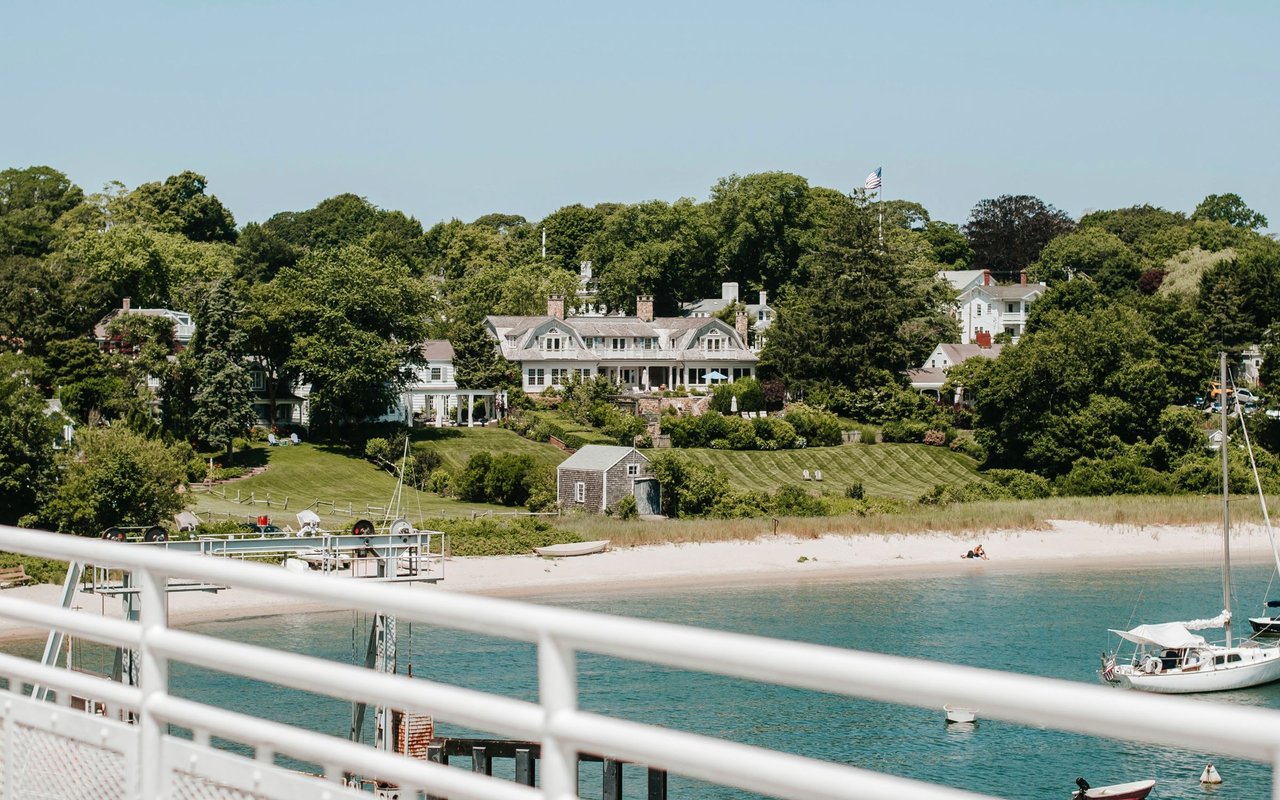
Mattapoisett is a coastal New England town with a walkable historic village and several waterfront neighborhoods. You will find late 18th and 19th century homes near the center and newer builds sprinkled through infill sites, subdivisions, and some redeveloped waterfront parcels. Many buyers choose village properties for character and proximity to shops and the harbor, while newer homes attract those who want modern layouts and systems.
Because this is a shoreline community, flood risk, wind exposure, and storm‑surge planning belong in every buying decision. Local permitting also matters. Town boards oversee building, planning, conservation, and historic review. These factors shape what you can change on a home, what it costs to maintain, and how easily you can insure it.
Most new homes are built to current Massachusetts building codes with engineered framing, treated materials, and modern electrical and plumbing. You typically see high‑efficiency HVAC, on‑demand hot water or high‑efficiency boilers, and up‑to‑date electrical service. Many builders provide system and workmanship warranties, which can help limit early maintenance costs.
New homes must meet state energy codes, so you benefit from tighter air sealing, higher insulation levels, and double or triple‑pane windows. That usually means steadier temperatures, better indoor air quality when ventilation is done right, and lower utility bills. Documentation like blower‑door test results or an energy rating, if available, can validate performance.
If designed with coastal risks in mind, new builds can include elevated foundations, flood vents, and utilities located above potential water levels. Good grading, drainage, and flashing details are essential. Keep in mind that brand‑new landscaping and soils can settle in the first year, which may change drainage patterns.
Early costs are often limited to landscaping establishment, minor punch‑list items, and routine servicing of new equipment. If site grading or drainage was not handled well, you may face larger fixes. Understanding what your builder warranty covers, and for how long, helps set expectations.
Village antiques often feature traditional wood siding, plaster walls, and older framing methods such as sawn or hewn timbers. Foundations may be stone or older masonry. Many homes have seen renovations over the decades, with varying quality. The result is rich architectural character with quirks you may either love or want to remedy.
Older homes were not designed with today’s insulation and air‑sealing practices. Without upgrades, you may see higher operating costs and draftier rooms. Thoughtful retrofits can improve comfort, such as insulating attics and basements, air sealing, upgrading to efficient boilers or heat pumps, and adding high‑quality storm windows or restored insulated windows. Historic review rules can shape your window and exterior material choices.
Common concerns include aging roofs, flashing failures, outdated wiring, cast‑iron or galvanized plumbing, rot, moisture issues, and possible lead paint in pre‑1978 homes. In a local historic district, exterior changes may require approval and specific materials. If the property sits in a higher flood risk area, raising a foundation or floodproofing can be complex and expensive.
Budget for a roof replacement if near end of life, electrical service upgrades, plumbing replacements, and modern mechanicals. If you want historically sympathetic windows or siding, factor in higher material and labor costs. Lead paint remediation, foundation stabilization, and masonry repairs can also be significant line items.
If a home sits in a Special Flood Hazard Area, a lender will typically require flood insurance. Elevation relative to base flood elevation, presence of flood vents, and placement of mechanicals affect premiums and long‑term resilience. For any coastal property, pull a flood map and, if available, review an elevation certificate early so you can estimate insurance costs with confidence.
Older homes that need work may be a fit for renovation financing options. That structure lets you roll qualified improvements into your loan. New construction that is not yet complete may require construction financing that converts to a standard mortgage after completion. Work with a lender who understands coastal properties and renovation scopes.
If you are buying a second home, expect a larger down payment and additional underwriting criteria. Insurers may also price seasonal or part‑time occupancy differently. Build these factors into your affordability analysis from the start.
If the property lies in a local historic district, exterior work such as roofing, siding, windows, or demolition may require review and approval. This can add time and influence design, but it also helps preserve streetscape quality. Knowing the process up front helps you plan the sequence and budget for materials that meet guidelines.
Near wetlands or along the shoreline, conservation rules govern changes to foundations, bulkheads, and site work. Approvals can take time and may include design constraints. For homes in higher‑risk areas, plan early for flood mitigation solutions and their permit paths.
Massachusetts energy codes push new builds toward strong performance, and retrofit programs are available for older homes. A home energy assessment can identify insulation gaps and HVAC opportunities. Rebates for heat pumps, air sealing, and insulation can improve payback on upgrades, especially in antiques.
Historic homes attract buyers who value character and village living. Newer homes broaden appeal for families who want modern layouts, storage, and efficient systems. Well‑executed renovations that blend authenticity with modern functionality usually draw the largest audience.
Energy costs are top of mind for many buyers. If you own an antique, keep records of insulation upgrades, HVAC replacements, and window improvements. If you buy new, retain any energy testing results and warranty documentation. Clear records support value and buyer confidence.
Restrictions can discourage buyers who want fast exterior changes, but district status can also protect neighborhood character. In both cases, condition and maintenance quality drive value more than age alone.
Use these questions to stack‑rank your options:
You deserve clear guidance and reliable execution from search to closing. Hovan Property Group pairs neighborhood‑level expertise in Mattapoisett with a process‑driven approach that keeps your transaction on track. The team brings staging, data‑rich market insight, and the tools of a national platform, including Concierge for pre‑sale improvements and Private Exclusives for expanded off‑market options.
Whether you are weighing a new build with cutting‑edge efficiency or a village antique with timeless curb appeal, you get transparent advice on inspections, permits, renovation scope, and insurance. From first tour through negotiations and contractor planning, you will have a calm, credentialed advocate focused on your goals.
Ready to compare specific properties and map out your path? Schedule a conversation with Erin Hovan to make a confident decision.
Our team takes great pride in helping clients reach their real estate goals, consistently earning five-star reviews for our dedication and expertise. We serve as trusted advisors to individuals, families, and developers seeking the area’s most desirable properties.