Selling a home in Dartmouth can feel like running a project with lots of moving parts. You want the best price, the cleanest contract, and a smooth closing, but timing and local requirements can make or break your plan. This guide gives you a clear, step-by-step timeline tailored to Dartmouth and Massachusetts rules so you can set a target list date, avoid delays, and keep your net proceeds on track. Let’s dive in.
How long selling takes in Dartmouth
Before you plan the calendar, set expectations. Recent snapshots show vendor differences in pricing and timing for Dartmouth. For example, Realtor.com’s market overview reported a December 2025 median listing price near $842,338 with roughly 50 median days on market. In early 2026, some sources showed median sale prices around $606,500. These differences come from list versus sold data and sampling periods.
Once you accept an offer, a financed deal usually needs about 30 to 45 days for appraisal, underwriting, and title work. All-cash closings can be faster, often 7 to 21 days if title is clear, but your contract terms and the lender’s pace drive the final timing. This overview of closing timelines is a useful planning guide.
Your 90-day timeline at a glance
Use this as a practical playbook if you want to list in about 6 to 12 weeks. Larger projects or permits may extend this.
10–12 weeks before listing
- Choose your agent and set the target list date. If you want to fund improvements without paying up front, consider a program like Compass Concierge. Your agent can scope the work, line up vendors, and manage the schedule.
- Order pre-listing inspections. A general home inspection can flag big-ticket items early so you can decide what to fix versus disclose. Learn more about the benefits of a pre-list inspection here.
- If your home uses a private septic system, schedule the Title 5 inspection now. Massachusetts requires a system inspection at, or within two years prior to, transfer of title, with limited exceptions. A failure can add weeks or months for remediation. Review the rule in 310 CMR 15.301.
- Check permits early. For electrical, plumbing, structural, or other permitted work, contact Dartmouth’s Building Department to confirm submission needs and inspection timing. Permit lead times vary by scope and season.
6–9 weeks before listing
- Finalize bids and schedule work. If you use Concierge, work can move forward without out-of-pocket payment, with repayment at closing per program terms.
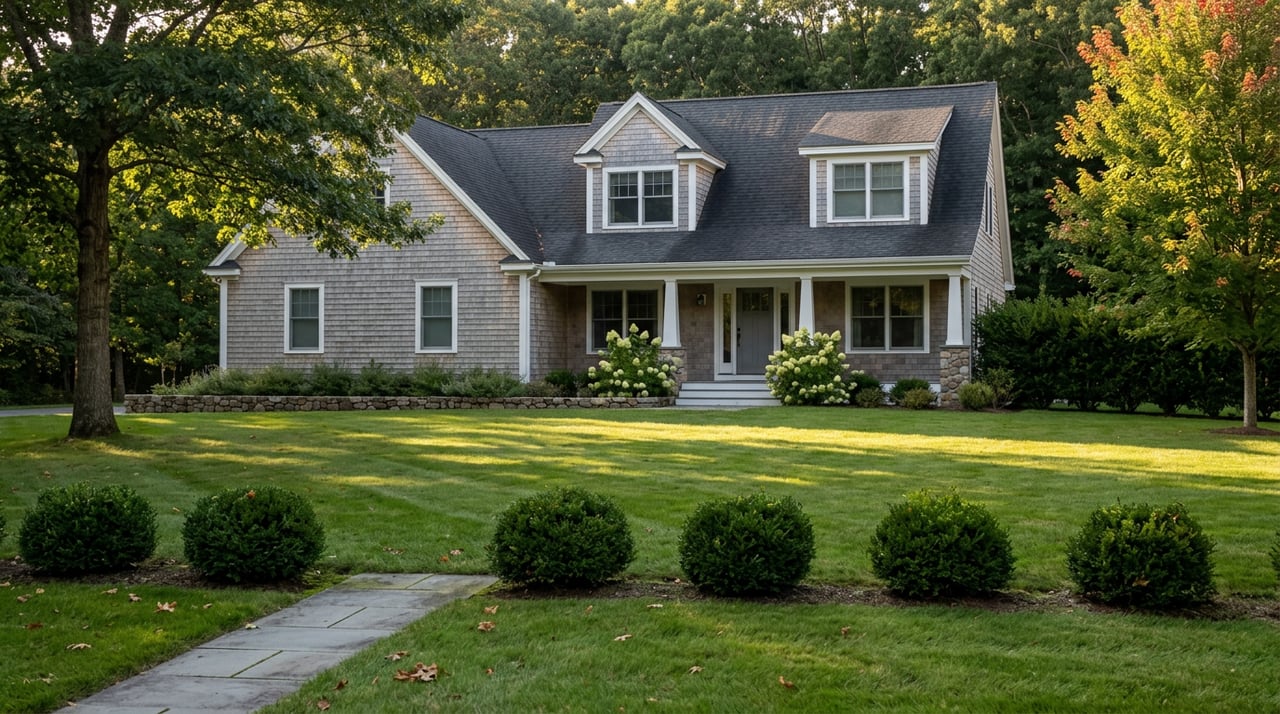
- Tackle high-ROI items first: decluttering, deep cleaning, neutral paint, minor flooring touch-ups, lighting, landscaping, and curb appeal. The National Association of Realtors reports that staging helps buyers visualize and can reduce days on market. See the NAR staging snapshot here.
3–6 weeks before listing
- Complete permitted work and schedule any final municipal inspections tied to permits.
- Stage the home and book professional photography, floor plans, and video or 3D tours. NAR data indicates staging often supports stronger offers and faster sales, and many agents report modest price lifts. Review the staging data here.
1–2 weeks before listing
- Do a final deep clean and exterior refresh. Confirm showing strategy, lockbox, and open house plans.
- Prepare disclosures and compliance documents now so you can move quickly on offers. For pre-1978 homes, federal law requires the EPA lead pamphlet, disclosures of known information, and a 10-day opportunity for buyers to test. Start with the EPA guidance for sellers here.
Listing week
- Go live on MLS and launch your marketing. Run early showings or an opening weekend. Collect feedback daily and adjust your pricing or positioning within the first 7 to 14 days if needed.
Offer to close: what to expect
- Inspection contingency. In Massachusetts, inspection windows are commonly 7 to 14 days, often 7 to 10 business days in practice. See an overview of common contingency timelines here.
- Appraisal and mortgage commitment. Many lenders target a 30 to 45 day mortgage commitment. Appraisals and underwriting often run in parallel with title work.
- Smoke and CO certificate. Massachusetts requires a Certificate of Compliance from the local fire department that confirms smoke and carbon monoxide alarms meet code. Schedule this as you approach closing. Review the state guidance here.
- Final steps. Your attorney or title company will handle payoffs, the deed, municipal readings, and recording. Typical financed closings run about 30 to 45 days from offer acceptance. Cash can be faster if title is clear, as outlined in this closing timeline overview.
Dartmouth and MA compliance must-dos
- Title 5 septic inspection. Required at or within two years before transfer, with limited exceptions. A failing system can add significant time or require price or term changes. Learn more in 310 CMR 15.301.
- Smoke and CO certificate. Schedule the local fire department inspection before closing. Certificates are typically valid for a limited period, so time it carefully. See the state’s inspection checklist here.
- Lead-based paint disclosure. For homes built before 1978, provide the EPA pamphlet, disclose known information, and offer a 10-day inspection window. Details are on the EPA’s seller page here.
- Registry recording and excise. The Bristol County Registry charges a conveyance excise stamp of $4.56 per $1,000 of consideration, rounded up to the nearest $500. Your attorney or title office calculates and remits this at closing. Review the Registry’s fee page here.
Cost planning with a simple example
Every home and offer is different, but planning a budget helps you net what you expect.
- Agent commission. Recent surveys show average total commissions in Massachusetts around 5.4 percent. See the MA commission overview here.
- Staging and prep. NAR reports a typical median spend around $1,500 for staging, with many agents reporting faster sales and modest price lifts. See NAR’s staging snapshot here.
- Excise stamps and fees. Bristol County’s excise is $4.56 per $1,000. Recording and attorney/title fees are added at closing. See the Registry’s fees here.
- Repairs and credits. Any pre-listing fixes, inspection repairs, or buyer credits will affect your net.
Example using a $606,500 sale price:
- Estimated commission at 5.4 percent: about $32,751.
- Estimated excise at $4.56 per $1,000: about $2,766.
- Modest staging budget: about $1,500.
That totals roughly $37,000, or about 6.1 percent, before attorney/title fees, recording fees, and any repairs or buyer credits. Many sellers land in the mid to high single digits overall. With repairs or credits, total costs can reach about 8 to 10 percent, which is a useful planning range.
If you need to move fast
You can compress the calendar, but expect tradeoffs.
- Price and condition. Skip larger pre-list projects and focus on safety, cleaning, paint, and curb appeal. Be flexible on price or credits.
- Financing type. Cash offers can close as fast as 7 to 21 days when title is clear. Financed offers usually still need about 30 to 45 days, even with tight contingencies. See this closing timeline overview for context.
- Contingencies. Shorter inspection and mortgage deadlines can speed things up but increase risk. Discuss each change with your agent and attorney.
90-day seller checklist
- Choose agent, target list date, and pricing strategy.
- Order pre-listing inspections and Title 5 if on septic.
- Select high-ROI projects and submit permits if required.
- Schedule contractors, then staging and photography.
- Prepare disclosures: lead (if pre-1978), Title 5, permits, and warranties.
- Go live, review feedback, and adjust as needed.
- Negotiate, clear contingencies, and secure mortgage commitment.
- Schedule smoke/CO inspection, final readings, and payoffs.
- Close and record the deed.
Common delays and how to avoid them
- Septic issues. Pre-test early and line up a remediation plan if needed. See the Title 5 rule in 310 CMR 15.301.
- Appraisal shortfalls. Price with current comps and prepare a strong comps packet. Appraisals can add 1 to 3 weeks to the contract period. See closing timeframe context here.
- Smoke/CO scheduling. Book the fire department inspection well before closing. Review the state guidance here.
- Permit sign-offs. Submit plans early and coordinate inspections with Dartmouth’s Building Department.
Local resources
Ready to map your timeline and net sheet to today’s Dartmouth market? Schedule a consultation with Erin Hovan to build a custom plan and launch with confidence.
FAQs
How long does it take to sell a home in Dartmouth?
- Recent snapshots show about 50 median days on market for listings plus roughly 30 to 45 days to close for financed buyers, with cash often faster if title is clear.
What is a Title 5 inspection and when should I do it?
- Massachusetts requires a septic system inspection at or within two years before transfer of title, with narrow exceptions, so schedule it early to avoid closing delays.
Do I need a smoke and carbon monoxide certificate to sell?
- Yes. The local fire department must issue a Certificate of Compliance before closing that confirms smoke and CO alarms meet code.
What seller costs should I budget for in Massachusetts?
- Plan for commission around 5.4 percent on average, Bristol County excise at $4.56 per $1,000, staging or prep, attorney/title and recording fees, and any repairs or buyer credits.
Should I stage my Dartmouth home before listing?
- Staging helps buyers visualize the space, often reduces days on market, and can support stronger offers, with many projects completed for a modest median spend.
How can Compass Concierge help my timeline?
- Concierge can fund approved pre-sale improvements with repayment at closing, which lets you start work sooner and list on schedule without upfront costs.