South Coast vs Cape Cod Housing: Where Marion Fits
December 4, 2025
December 4, 2025
Trying to choose between the South Coast and Cape Cod, and wondering where Marion fits in? You are not alone. If you want great boating, a small village feel, and practical year‑round access, the trade‑offs matter. In this guide, you’ll learn how the regions differ on pricing, inventory, lifestyle, and access, and why Marion often rises to the top for boaters and village‑lifestyle seekers. Let’s dive in.
The South Coast generally refers to mainland coastal towns along Buzzards Bay from the Rhode Island line east toward the Cape, including Marion, Mattapoisett, and Wareham. Cape Cod refers to Barnstable County east of the Cape Cod Canal with towns like Falmouth, Sandwich, Barnstable, and Chatham. Definitions vary a bit by publication, so focus on how you plan to live and use the area.
For planning and regional context on the Cape’s geography and seasonal dynamics, the Cape Cod Commission is a helpful resource. Town websites and planning boards provide local rules that can affect property use and value.
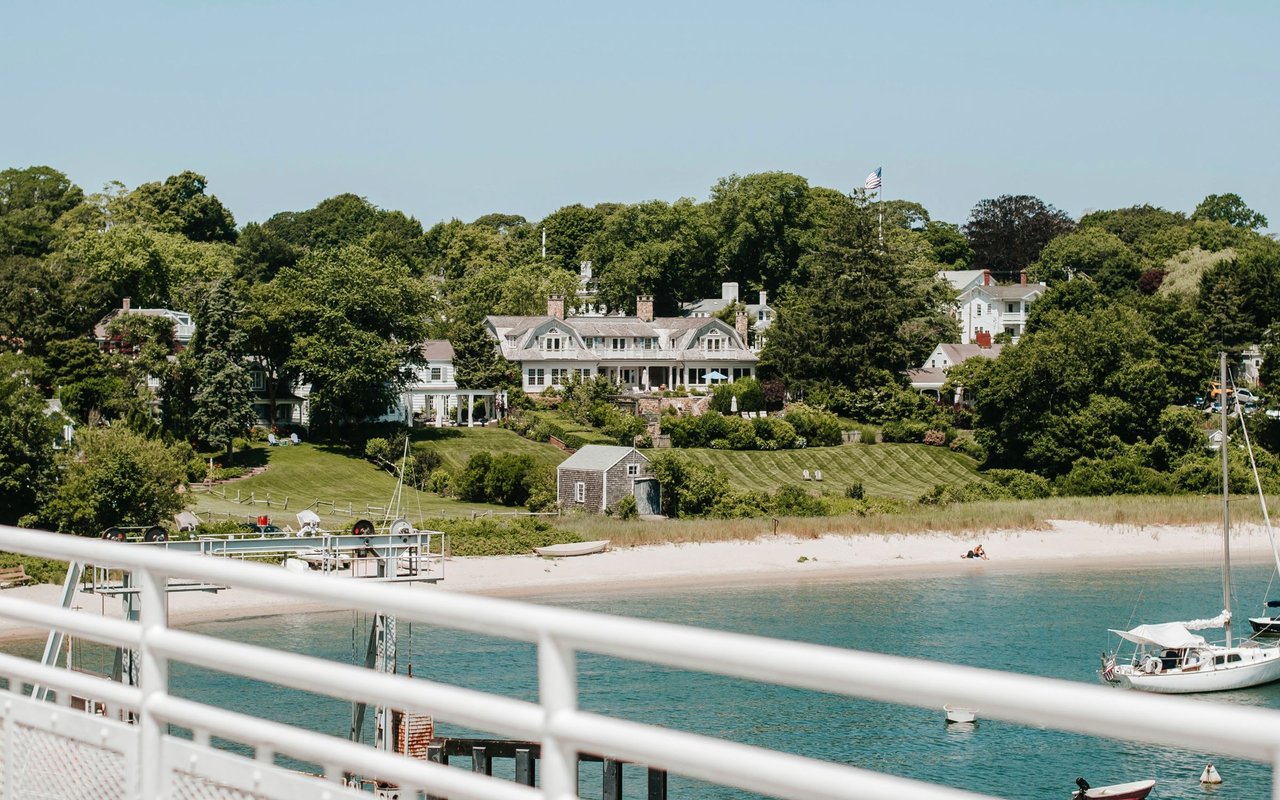
Marion sits on the western shore of Buzzards Bay. It is a South Coast town with a classic maritime village, sheltered harbor, and strong second‑home appeal. You get many Cape‑style lifestyle perks without crossing the bridges, plus easier mainland access for errands and healthcare.
Marion overlaps with Cape towns on boating culture and village charm. At the same time, it trades some of the Cape’s larger tourist infrastructure for quieter harbors and a walkable village center. That balance is what draws many boaters and small‑town shoppers to Marion.
Cape Cod often runs on a strong seasonal cycle. Listings tend to build in spring and summer, and popular waterfront villages can be very competitive. Prices and demand vary dramatically town by town.
On the South Coast, you’ll find a mix of year‑round communities. Many towns are more affordable than the Cape’s highest‑priced pockets, although Marion, Mattapoisett, and parts of Dartmouth can rival certain Cape towns for premium waterfront and village locations. Marion in particular is a small‑supply market where the best harbor and village homes draw attention quickly.
For up‑to‑date stats, review town‑level data before you act. Look at median sale price, months of supply, days on market, and sale‑to‑list ratios. Statewide trends and regional commentary from the Massachusetts Association of Realtors can add context while you or your agent pull local MLS reports.
If you plan your life around the water, compare harbors directly. Cape towns offer world‑class sailing hubs and multiple ferry terminals. Summer activity can be intense, with added congestion on roads and at marinas. Service options are wide, and many towns cater to seasonal boating.
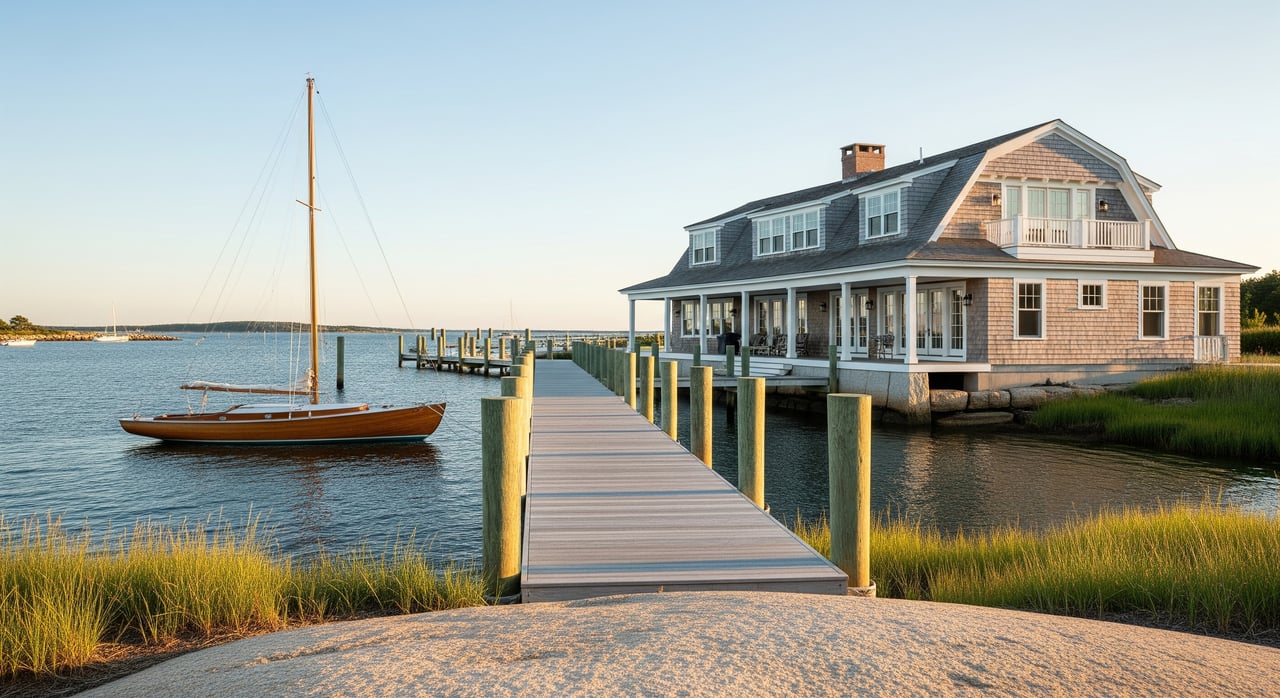
Marion’s Sippican Harbor offers sheltered waters and convenient access to Buzzards Bay, the Elizabeth Islands, and Vineyard approaches. Nearby Mattapoisett and Wareham marinas add capacity and services. For many boaters, staying on the mainland reduces bridge‑related travel time and makes winter haul‑out, service, and supply runs easier.
Marion’s village is compact and practical. You can walk to small shops, the harbor, and community spots. The calendar reflects a year‑round community with a strong nautical identity.
On Cape Cod, many towns include several distinct villages. Some are more tourist‑oriented with highly seasonal business cycles. Others operate more steadily through the winter. When you tour, note what stays open year‑round and how that fits your day‑to‑day needs.
Cape access depends on the Sagamore and Bourne bridges. In peak season, traffic can add meaningful time on Route 6 and local roads. Cape towns also benefit from seasonal services like the weekend CapeFlyer rail to Hyannis. Check schedules on the MBTA’s CapeFlyer page when planning trips.
Marion is on the mainland with easy reach to I‑195 and regional routes. That reduces bridge delays and can shorten drives to Providence and parts of Boston. Island trips remain simple from Marion via ferries out of Woods Hole, Hyannis, or Falmouth. You can review options with the Steamship Authority.
Cape Cod generally has a larger short‑term rental market with strong seasonal rates in certain towns. Some municipalities have added or updated regulations, permitting, or taxes, so always confirm current rules. South Coast demand often skews more year‑round with less dramatic seasonal swings.
Marion’s rental profile depends on micro‑location and property type. Village and harbor‑area homes may see solid interest, but inventory is tight and regulations can evolve. Evaluate both income potential and holding costs before you buy.
When you shortlist, compare specific towns and neighborhoods instead of relying on “Cape vs South Coast.” For example, weigh Marion against Falmouth for boating access, or against Barnstable, Chatham, or Mattapoisett for village character and inventory. The right fit comes from your specific lifestyle and budget.
Consider these filters:
Use this list when you are ready to compare properties in Marion, nearby South Coast towns, and the Cape:
If you want a small‑town harbor lifestyle with strong boating access and fewer bridge headaches, Marion deserves a close look. It offers many of the Cape’s best qualities with mainland convenience. Inventory is limited and waterfront premiums apply, so preparation and timing matter.
If you are weighing Marion against specific Cape towns, you do not have to guess. Get a town‑level game plan, current MLS data, and a step‑by‑step search strategy that fits your goals. To start a focused comparison and preview on‑ and off‑market opportunities, schedule a consultation with Erin Hovan.





Our team takes great pride in helping clients reach their real estate goals, consistently earning five-star reviews for our dedication and expertise. We serve as trusted advisors to individuals, families, and developers seeking the area’s most desirable properties.