If you love Dartmouth’s coastal charm but need to reach Boston or Providence on a regular basis, you are not alone. Many buyers weigh lifestyle and commute time when choosing a neighborhood here. The good news is you can optimize both if you understand how each area of town connects to the highways and transit options. In this guide, you will see realistic door-to-door expectations, neighborhood tradeoffs, and planning tips so you can choose the best fit without guesswork. Let’s dive in.
How commuting works from Dartmouth
Main corridors. Interstate 195 is your backbone. It carries you west toward Fall River and Providence and links to I-95 and I-295. Local feeders like Route 6 and town roads connect neighborhoods to I-195 interchanges.
Realistic drive times. Expect ranges based on exact location, time of day, and season. Typical windows are:
- New Bedford: about 10 to 25 minutes depending on where you start in Dartmouth.
- Fall River: about 20 to 35 minutes.
- Providence: about 40 to 75 minutes. North and central Dartmouth are faster off-peak, while southern waterfront areas run longer.
- Boston: about 60 to 100 plus minutes. Best cases are from the northernmost parts off-peak, with 90 minutes or more common in rush hour or from the south side.
Transit options. Driving is the most common choice here. Local bus connections can get you to New Bedford transit hubs, and intercity buses may offer routes to Providence or Boston, though they are usually fewer and slower than driving. The South Coast Rail initiative is a major project that aims to expand rail options between the South Coast and Boston. Timelines and station details change, so confirm current MBTA or MassDOT status if rail is part of your plan.
Seasonal factors. Summer weekends and holidays bring heavier traffic on coastal roads. If you live in waterfront areas, build in extra time during high season.
Best Dartmouth neighborhoods for commuters
North Dartmouth
North Dartmouth, including areas along Route 6 near I-195, offers the town’s best highway access. You are closest to the on-ramps, so you typically see the quickest times to Providence and relatively better times to Boston.
- Commute snapshot: Shorter drives to I-195, fastest to Providence, more competitive to Boston compared to coastal areas.
- What you gain: Convenience, direct routing, access to town services and shopping.
- What to weigh: Some areas have more through-traffic and a conventional suburban feel.
Smith Mills, Russells Mills, and central Dartmouth
These neighborhoods sit in the middle of town. You can reach I-195 by local roads that vary in congestion by time of day.
- Commute snapshot: Moderate times to Providence and Boston that swing based on exact street-to-interchange distance.
- What you gain: Balanced access to New Bedford and services with reasonable highway reach.
- What to weigh: Local road bottlenecks can add minutes at peak times.
Padanaram and South Dartmouth
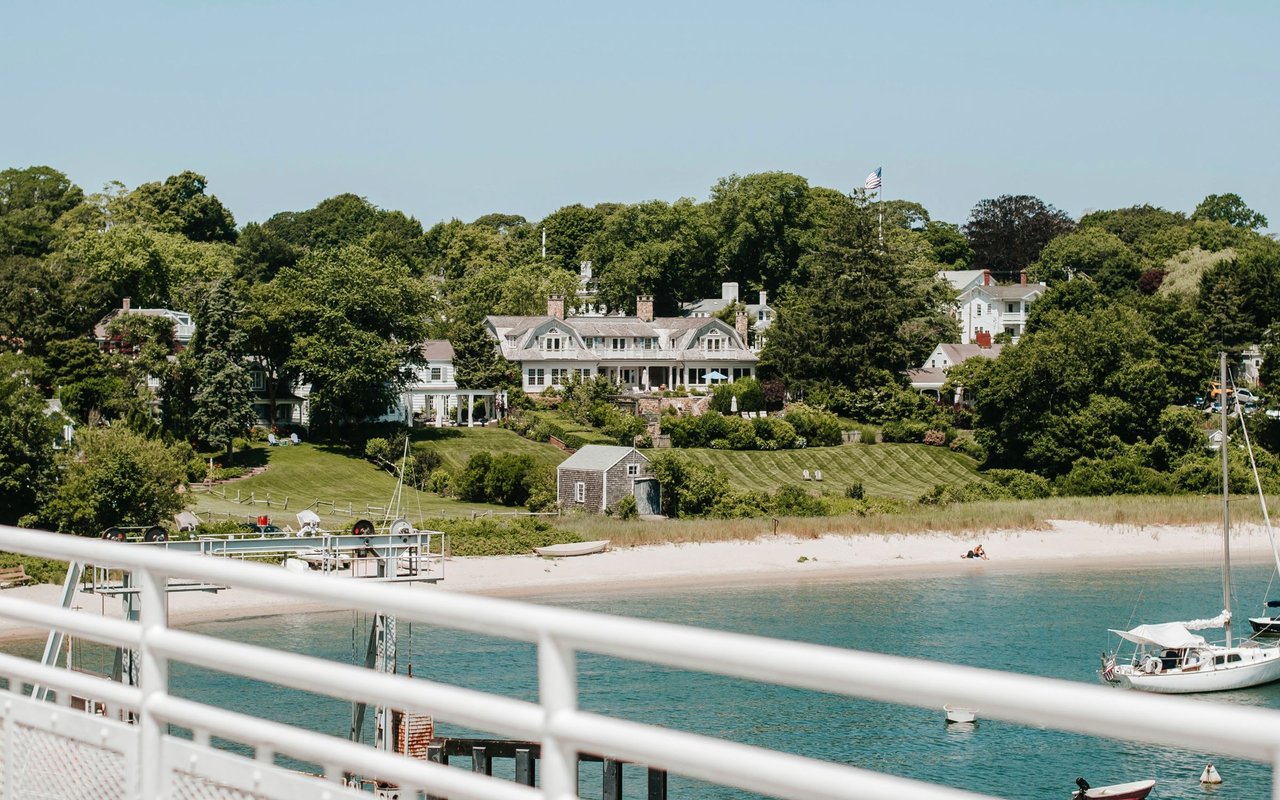
If you are drawn to village life and the waterfront, Padanaram and surrounding South Dartmouth areas deliver a strong sense of place and amenities you can enjoy on foot.
- Commute snapshot: Longer drives to I-195 interchanges than in the north, which extends overall time to Providence and Boston.
- What you gain: Village amenities and waterfront access.
- What to weigh: Seasonal traffic in summer and longer daily travel for regional commutes.
Cedarville, Apponagansett, and the southeast
These rural and shoreline pockets appeal if you want more land or a quieter setting.
- Commute snapshot: Farthest from I-195 and regional hubs, so expect the longest times to Providence and Boston.
- What you gain: Lower density and coastal or country settings.
- What to weigh: Added drive time most days and higher variability in peak hours.
Near the New Bedford border
If your work hubs are in New Bedford or you plan to use New Bedford-based bus or future rail connections, proximity matters.
- Commute snapshot: Quick reach to New Bedford employment and transit nodes, with regional commute times similar to central Dartmouth when heading to Providence or Boston.
- What you gain: Immediate access to city services and local jobs.
- What to weigh: Drives to Providence or Boston can still run long in peak periods.
Providence vs. Boston: what to expect
For many Dartmouth households, Providence is the more practical daily commute. From North and central Dartmouth you can often reach downtown Providence in under an hour off-peak, with typical ranges of about 40 to 75 minutes overall. Boston is doable but usually longer. Plan for about 60 to 100 plus minutes, especially if you are leaving during rush hour or starting from coastal neighborhoods.
If you have hybrid or flexible hours, your options expand. A couple of in-office days per week opens up more neighborhoods with lifestyle benefits, even if the single-day commute runs longer. If you must be in Boston daily and prefer not to drive every day, you will want to compare door-to-door time using park-and-ride options and any rail services available at the time you move.
Door-to-door planning tips
- Use live mapping tools. Test your route with “Depart at” or “Leave now” to see typical ranges for 7 to 9 AM and 4 to 6:30 PM. Try a few neighborhood addresses to compare results.
- Stress-test peak windows. Look at your worst-case day so you are not surprised by construction, incidents, or weather on I-195 and I-95.
- Map park-and-ride options. Identify lots near major interchanges and any commuter rail stations you plan to use. Check capacity and permit needs before you rely on them.
- Plan last-mile connections. If you will use rail or bus on some days, consider local transit, rideshare, or employer shuttles for station access.
- Ask about commuter benefits. Stipends, pre-tax transit, or flexible schedules can improve your daily experience and reduce costs.
- Account for summer season. Pad your schedule if your route includes coastal roads during peak tourism periods.
Sample commute scenarios
These examples reflect typical ranges and the variability you should plan around. Your exact times will depend on your street, timing, and routing.
- North Dartmouth to Providence: Often under an hour off-peak, typically about 40 to 60 minutes, with peak days closer to 75 minutes.
- North Dartmouth to Boston: Best cases near 60 minutes off-peak, more commonly 80 to 100 minutes during rush hour.
- Central Dartmouth to Providence: Plan around 45 to 70 minutes depending on local road congestion to I-195.
- Padanaram or South Dartmouth to Providence: Add extra time for the local drive to interchanges, commonly 55 to 75 minutes with seasonal swings.
- Padanaram or South Dartmouth to Boston: Expect about 80 to 100 plus minutes, with longer times in peak hours and in summer.
How to choose your best-fit neighborhood
Start with your must-haves, then layer in commute reality.
- If lowest commute time is the top priority, focus on North Dartmouth and the neighborhoods closest to western I-195 access points.
- If you want a middle ground, central Dartmouth and areas near the New Bedford border balance services and highway reach.
- If waterfront lifestyle is a key goal, Padanaram and South Dartmouth deliver that character with longer commute times that are manageable for hybrid schedules.
- If you need non-drive options for Boston, plan to pair your Dartmouth home with a park-and-ride or nearby rail station once available, and test door-to-door times before you commit.
With a clear plan and realistic time ranges, you can pick the right Dartmouth neighborhood and avoid daily surprises.
Ready to compare addresses with commute data and neighborhood insight tailored to your goals? Reach out to Erin Hovan for a personalized relocation strategy.
FAQs
Is a daily Dartmouth to Boston commute realistic?
- Yes, it is possible, but expect about 60 to 100 plus minutes most days, with the shortest times from North Dartmouth outside rush hour.
How long does it take to commute from Dartmouth to Providence?
- Typical ranges are about 40 to 75 minutes, often under an hour from North or central Dartmouth when you avoid peak congestion.
Which Dartmouth neighborhoods have the best highway access?
- North Dartmouth has the most direct access to I-195, followed by central neighborhoods like Smith Mills and Russells Mills.
What if I want a waterfront lifestyle and still commute?
- Padanaram and South Dartmouth offer village and coastal amenities, but you should plan for longer drives and more seasonal variation.
Will future rail change commuting options from Dartmouth?
- The South Coast Rail initiative aims to expand rail connections to Boston; confirm current MBTA and MassDOT status for stations and schedules when you plan your move.
Are buses or ferries practical for daily commutes?
- Local buses can link you to New Bedford hubs, and seasonal ferries are more for leisure. Most daily commuters find driving faster and more consistent.