Waterfront Vs Inland Homes In Dartmouth, MA
June 11, 2026
June 11, 2026
If you are deciding between a waterfront home and an inland home in Dartmouth, the real question is not simply which one costs more. It is what each option gives you in daily lifestyle, land, upkeep, and long-term carrying costs. In a town that stretches from forested uplands to beaches and bay access, that difference matters. Let’s dive in.
Dartmouth is often talked about as waterfront versus inland, but the town is better understood as a north-to-south spectrum. The north side is known for its rural setting, forest lands, and homes tucked into larger natural landscapes, while the south side brings you closer to coastal farmland, beaches, harbor access, and maritime settings.
That local geography shapes how buyers experience value. The Dartmouth Heritage Trail, which runs from the forested north through farms and conservation land to the beaches in the south, captures this well. In practical terms, you are not choosing between two totally separate markets. You are choosing where along Dartmouth’s landscape, village pattern, and access points you want to live.
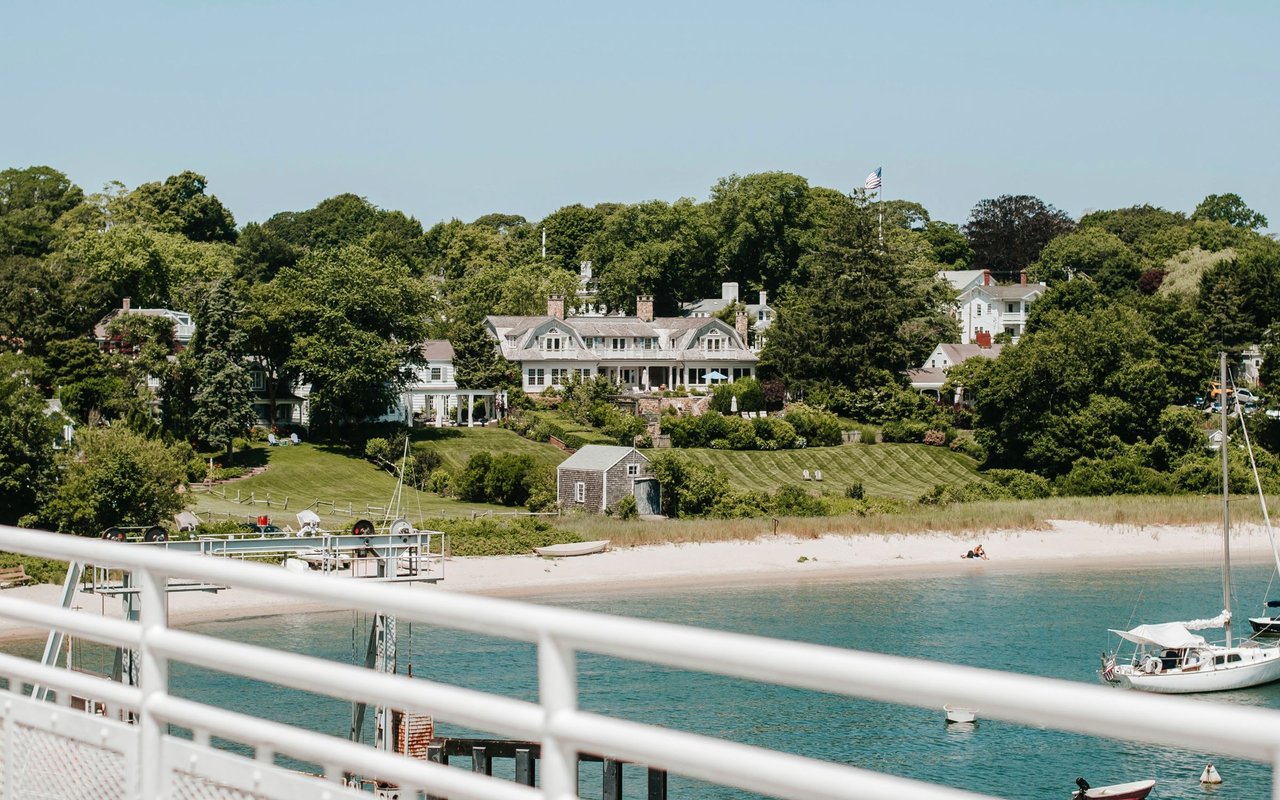
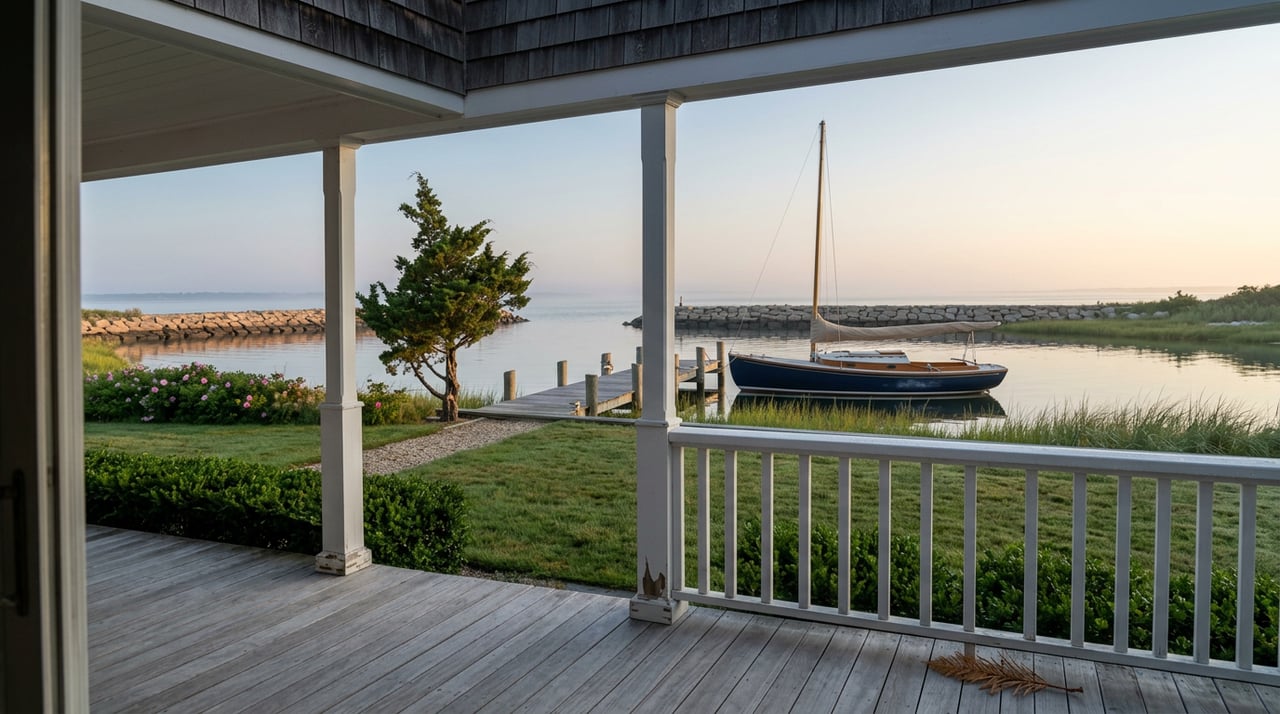
For many buyers, waterfront living means being closer to the lifestyle they picture most clearly. In Dartmouth, that often points toward South Dartmouth, Padanaram, Apponagansett Bay, and other southern coastal areas where the water is part of everyday life.
Padanaram is the strongest example of Dartmouth’s waterfront identity. It has a village setting tied to the harbor, boating access, and a maritime feel that appeals to buyers who want views, proximity to the bay, and a more vacation-like rhythm.
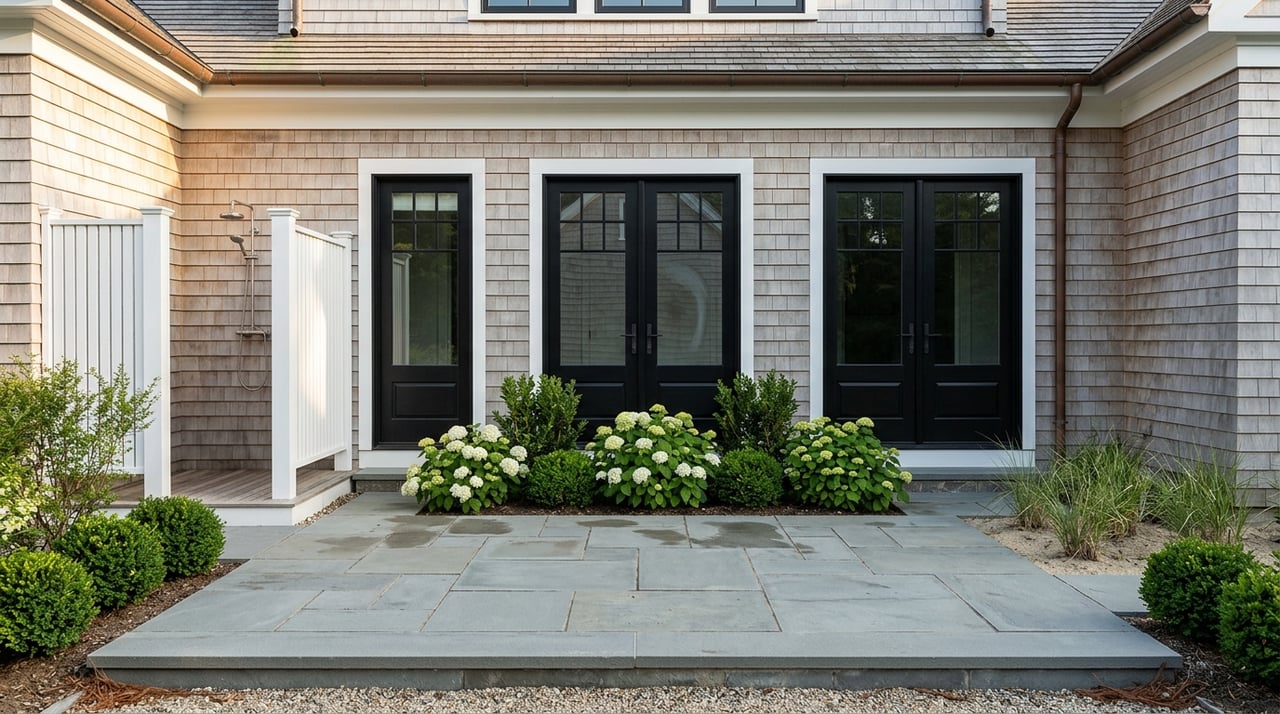
A waterfront or water-oriented home in Dartmouth may offer:
That last point is important. Waterfront in Dartmouth is not only large luxury homes. Current inventory includes a wide range of property types and price points, including condos and homes in association communities.
If waterfront homes are about access to the coast, inland homes are often about access to space. In North Dartmouth and inland village areas like Russell Mills and Smith Mills, buyers are often drawn to larger lots, more privacy, and settings that feel more rural or wooded.
This is one reason inland should not be treated as the "cheap" option. Some inland properties include estate-style homes, custom ranches, and multi-acre parcels. For buyers who care more about elbow room than shoreline exposure, inland Dartmouth can offer a strong value equation.
Inland living in Dartmouth may offer:
Bliss Corner adds another layer to the conversation as a primarily residential area, while Russell Mills and Smith Mills bring a more historic inland village character tied to mills, farms, rivers, and forest land.
The current market points to a real price difference between coastal-leaning and inland-leaning areas, but it is not as simple as waterfront expensive, inland affordable. Dartmouth’s latest townwide median sale price was $638,000 in March 2026. South Dartmouth, using 02748 as a shorthand, shows a median sale price of $913,000, while North Dartmouth, using 02747, shows a median sale price of $520,738.
At the same time, current active listings show wide ranges on both sides. Waterfront listings stretch from roughly the mid-$400,000s to nearly $13 million. Inland listings in 02747 range from the high $300,000s into the millions, including larger estate-style homes priced around $1.349 million, $1.775 million, $2.15 million, and $3 million.
That tells you something important. In Dartmouth, price is shaped not only by proximity to water, but also by lot size, privacy, home type, and overall setting.
Here is a helpful framing when comparing Dartmouth homes:
| Home setting | You may be paying more for |
|---|---|
| Waterfront | Water access, views, coastal setting, harbor lifestyle, proximity to beaches |
| Inland | Land, privacy, parcel size, wooded surroundings, room to spread out |
This is why the better question is often: What does each dollar buy you?
Dartmouth’s housing stock is predominantly single-family detached. In 2019, 80.6% of the town’s housing units were 1-unit detached homes. That matters because it means the waterfront versus inland comparison is usually less about one side being all condos and the other all houses.
Instead, the difference is more often about setting, lot conditions, access, and ownership complexity. Yes, there are waterfront condos and association communities, but the town overall is still heavily defined by detached homes. That makes your decision more nuanced than a basic property-type comparison.
Sale price is only part of the story with waterfront homes. In Dartmouth, the coastal premium often continues after closing through insurance, maintenance, landscaping, and permitting.
Massachusetts notes that standard homeowners insurance does not cover flood damage. The state also says lenders usually require flood insurance when a mortgaged property is in an area where that coverage is needed, and even one inch of water can cause $25,000 in damage. For buyers comparing a shoreline property to an inland home, this can be one of the biggest long-term budget differences.
Coastal ownership also comes with more environmental wear. Massachusetts says coastal landscaping is harder because of wind, salt spray, shifting sandy soils, and storm wave impacts. Native and salt-tolerant plantings can help reduce erosion and maintenance demands, but the conditions are still different from what you may deal with farther inland.
If a property includes a seawall, revetment, or similar shoreline structure, that adds another layer of cost and complexity. Repairs and reconstruction can involve flood elevations, wave exposure, access issues, permitting, and long-term durability planning.
Some waterfront enclaves also come with association fees. One current South Dartmouth listing notes fees that cover snow removal, landscaping, and access to amenities such as golf, tennis, a pool, and a private sandy beach.
That does not make the home less attractive. It just means your budget review should include more than principal and interest. In Dartmouth, a waterfront purchase often needs a fuller carrying-cost analysis.
If you plan to improve a property after purchase, Dartmouth’s local rules deserve early attention. The town’s wetlands bylaw protects buffer zones and defines that buffer zone as 100 feet from the boundary of a resource area. The town also notes that work within 100 feet of a wetland, in a floodplain, or near a coastal bank may require Conservation Commission filings before work begins.
For waterfront and shoreline properties, this can affect projects such as additions, landscaping changes, shoreline work, septic updates, and other site improvements. Dartmouth’s Planning Maps page includes tools such as FEMA Floodplain Maps, zoning maps, and related planning references that can help you understand a property before you commit.
A home can look perfect on paper and still come with important site constraints. On the coast, those constraints may affect what you can build, how you maintain the lot, and what approvals you need before work starts.
Inland properties can have restrictions too, of course. But in Dartmouth, coastal and near-coastal properties often require a closer review of floodplain, wetlands, shoreline conditions, and related permitting before you move forward with confidence.
Waterfront living usually fits buyers who want the coast to shape daily life. If you picture mornings near the harbor, easy access to beaches or boating, and a setting that feels tied to the bay, the southern side of Dartmouth may be the stronger match.
Inland living often fits buyers who want a different kind of calm. If you care more about land, privacy, wooded surroundings, and room to spread out, North Dartmouth and inland village areas may deliver better value for the way you actually live.
Neither choice is automatically better. In Dartmouth, the smarter comparison is between access and atmosphere on one side and space and simplicity on the other.
When you tour waterfront and inland homes in Dartmouth, focus on these questions:
These questions can help you compare two very different properties on equal footing. They also help you avoid choosing a home based only on first impressions.
In Dartmouth, waterfront versus inland is really a value equation. Waterfront homes may deliver views, harbor access, beaches, and a stronger coastal lifestyle, but they can also bring more exposure to flood risk, maintenance demands, permitting complexity, and extra carrying costs. Inland homes may offer more land, privacy, and simpler upkeep, though some still command premium pricing because of parcel size and setting.
The best choice depends on how you want to live and what trade-offs you are comfortable making. If you want help comparing neighborhoods, carrying costs, and property constraints before you buy or sell, Erin Hovan can help you make a data-informed decision with clear local guidance.
Our team takes great pride in helping clients reach their real estate goals, consistently earning five-star reviews for our dedication and expertise. We serve as trusted advisors to individuals, families, and developers seeking the area’s most desirable properties.