Selling a Home in Dartmouth, MA Starts With Smart Pricing
June 25, 2026
June 25, 2026
If you are thinking about selling in Dartmouth, one question matters more than almost any other: how do you price your home so buyers take it seriously and still feel motivated to act? In a town with varied villages, coastline, and price ranges, the answer is rarely as simple as picking a townwide average. The right strategy blends local data, careful preparation, and a launch plan that matches your home’s position in the market. Let’s dive in.
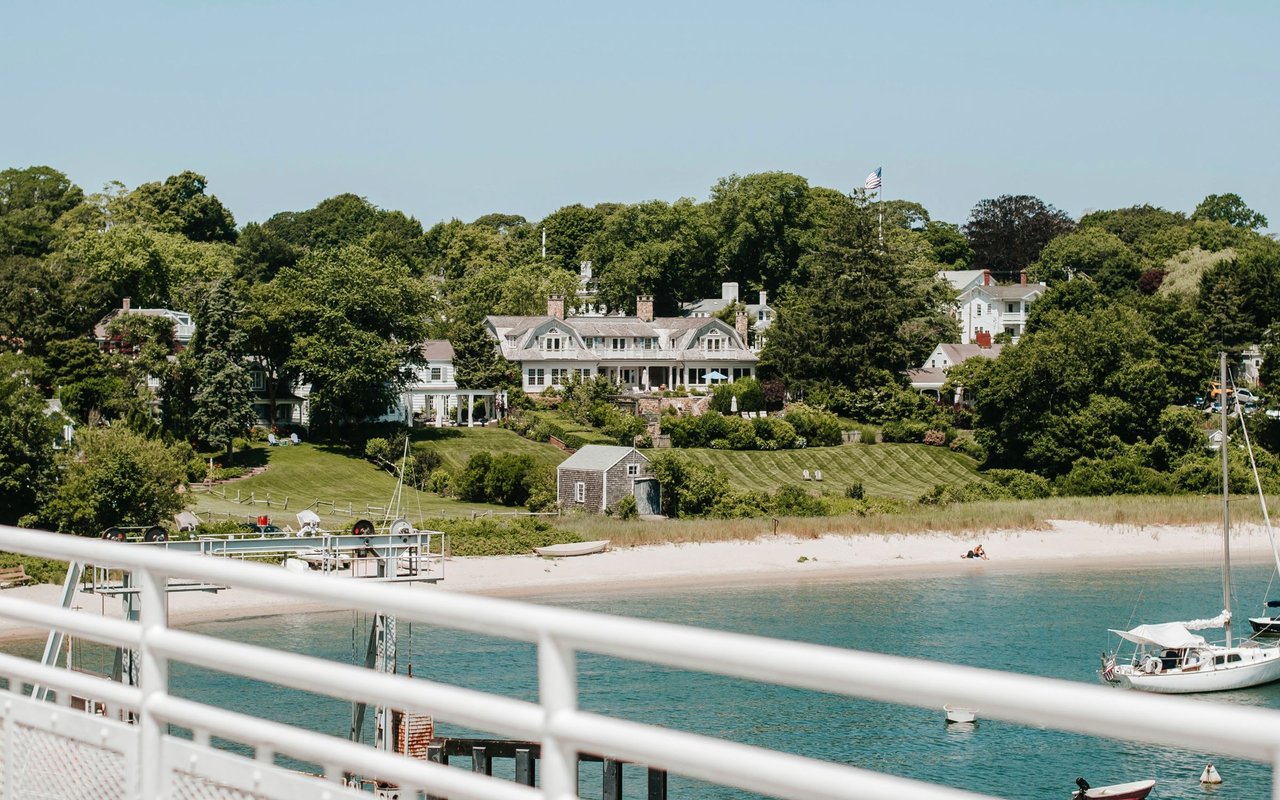
Dartmouth is not a one-note market. It is a large coastal town in Bristol County with 81 miles of coastline, Padanaram Harbor, more than 300 acres of public parkland, and 10 founding villages connected by the Dartmouth Heritage Trail. That range of settings matters because buyers do not evaluate every Dartmouth property the same way.
Townwide numbers can be useful for context, but they are only a starting point. Public data snapshots for 2026 show different pictures depending on the source and time period. One snapshot described Dartmouth as balanced, with a median listing price of $767,000 and about 59 days on market, while another showed a median sale price of $624,626, average days on market of 23, and 42.7% of homes selling above list.
That difference is exactly why pricing should never rely on a single median. Listing prices reflect what sellers hope to achieve, while sold data shows what buyers actually paid. In Dartmouth, where zip-code medians range from about $440,000 to roughly $1.199 million, your value is shaped far more by your micro-market than by a broad town average.
A home near the harbor, a property in South Dartmouth, and a house farther inland may all appeal to different buyers. Even if they have similar square footage, their location, lot, setting, and condition can lead to very different pricing outcomes. That is why serious pricing starts with recent sold comparables, not guesswork.
A strong pricing process usually looks at a few key factors:
This is where a disciplined, neighborhood-level approach makes a difference. Instead of asking, "What is the Dartmouth median?" the better question is, "How will buyers compare this specific home to other available options right now?"
The most credible list price usually begins with sold comparables. Closed sales show what buyers recently accepted as fair value in real transactions. That gives you a more realistic foundation than simply copying the highest active listing nearby.
In Dartmouth, sold comps need to be adjusted carefully. Two homes may both be in town, but differences in village, lot, privacy, water access, or presentation can change buyer perception fast. A well-prepared home in one part of Dartmouth may justify a stronger price than a similar-sized home that feels less turnkey.
Active listings still matter, but in a different way. They show the choices your buyers will be comparing side by side. If your home is priced above similar active competition without a clear reason, buyers may hesitate or wait.
Pricing is not just about math. It is also about how believable the asking price feels when buyers see the home for the first time. If a home is priced well but feels cluttered, tired, or poorly photographed, buyers may question the value before they ever schedule a showing.
That is why presentation is not an extra. It is part of the pricing strategy. A well-presented home gives buyers visual proof that the asking price makes sense.
Industry research supports that connection. In the National Association of Realtors 2025 Profile of Home Staging, 83% of buyers’ agents said staging made it easier for buyers to visualize a property as a future home. The same report found that 49% of sellers’ agents said staging reduced time on market, and 29% said it led to a 1% to 10% increase in the dollar value offered.
Before your home goes live, the goal is simple: remove distractions and make the strongest features stand out. For many Dartmouth sellers, that means starting with the basics and then deciding where targeted improvements will have the most impact.
According to the NAR staging profile, the most common pre-list recommendations are:
Buyers’ agents also place high importance on listing photos, physical staging, videos, and virtual tours. In other words, your home needs to show well both online and in person.
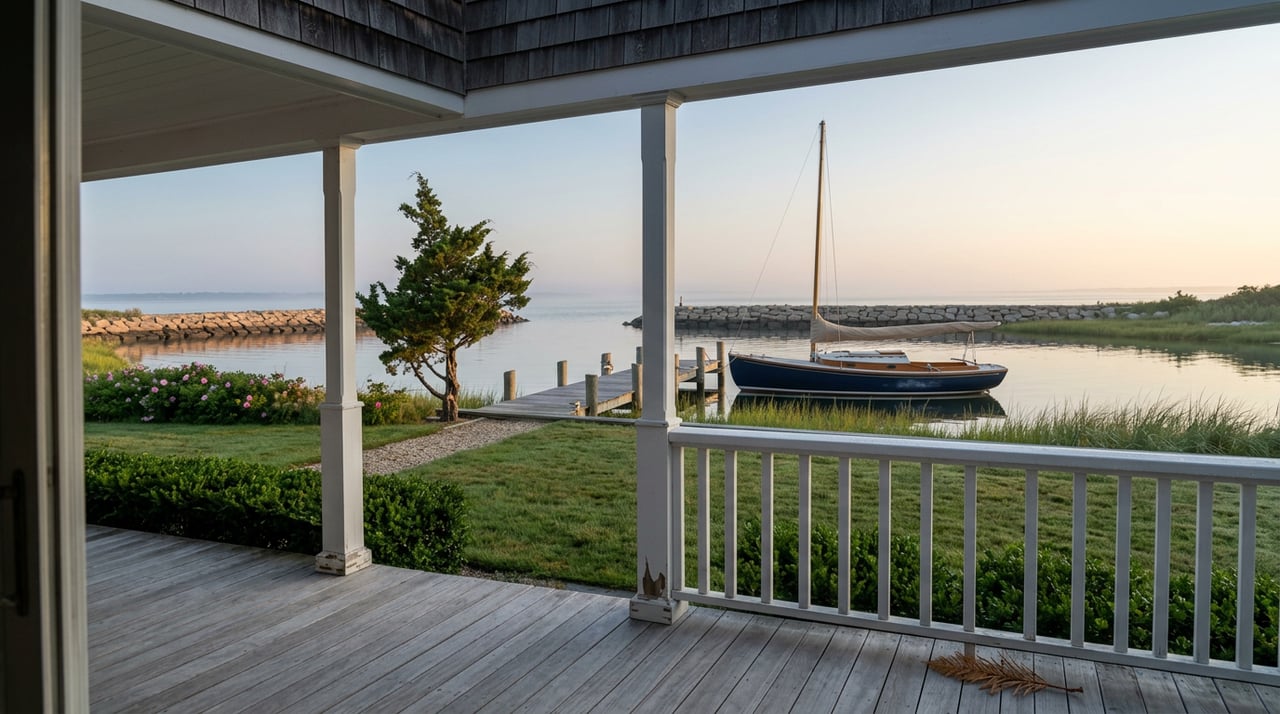
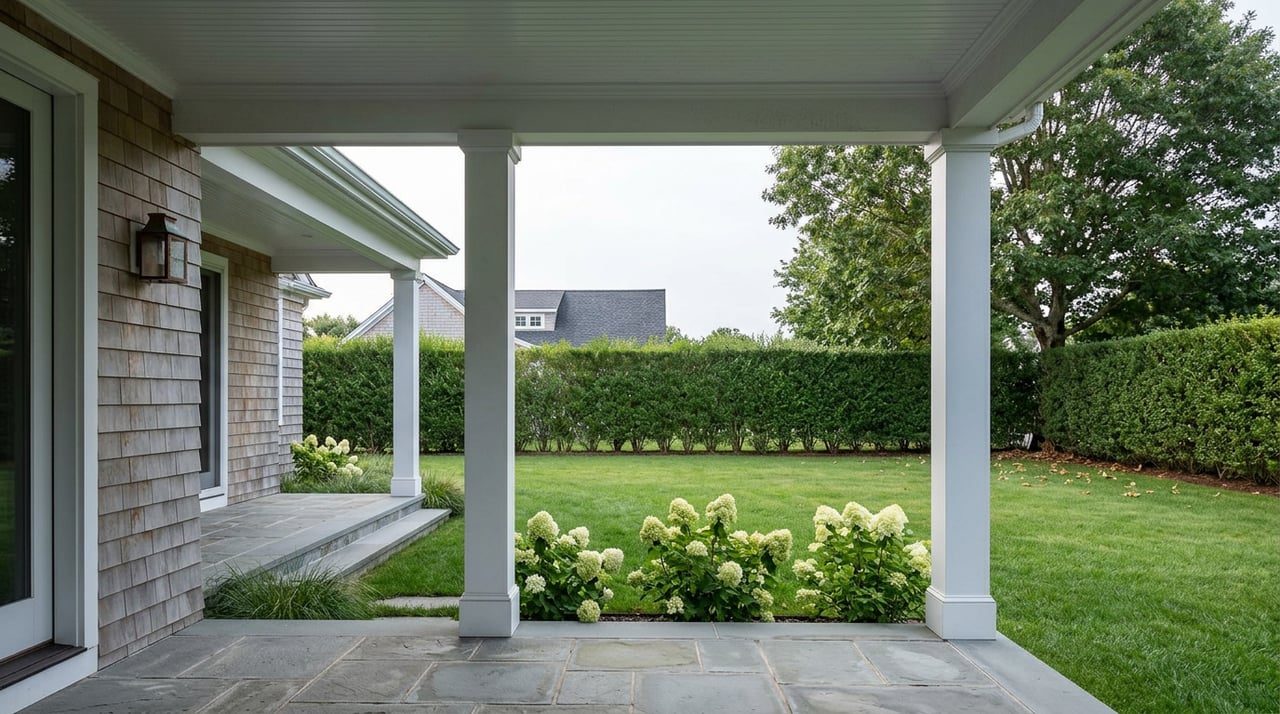
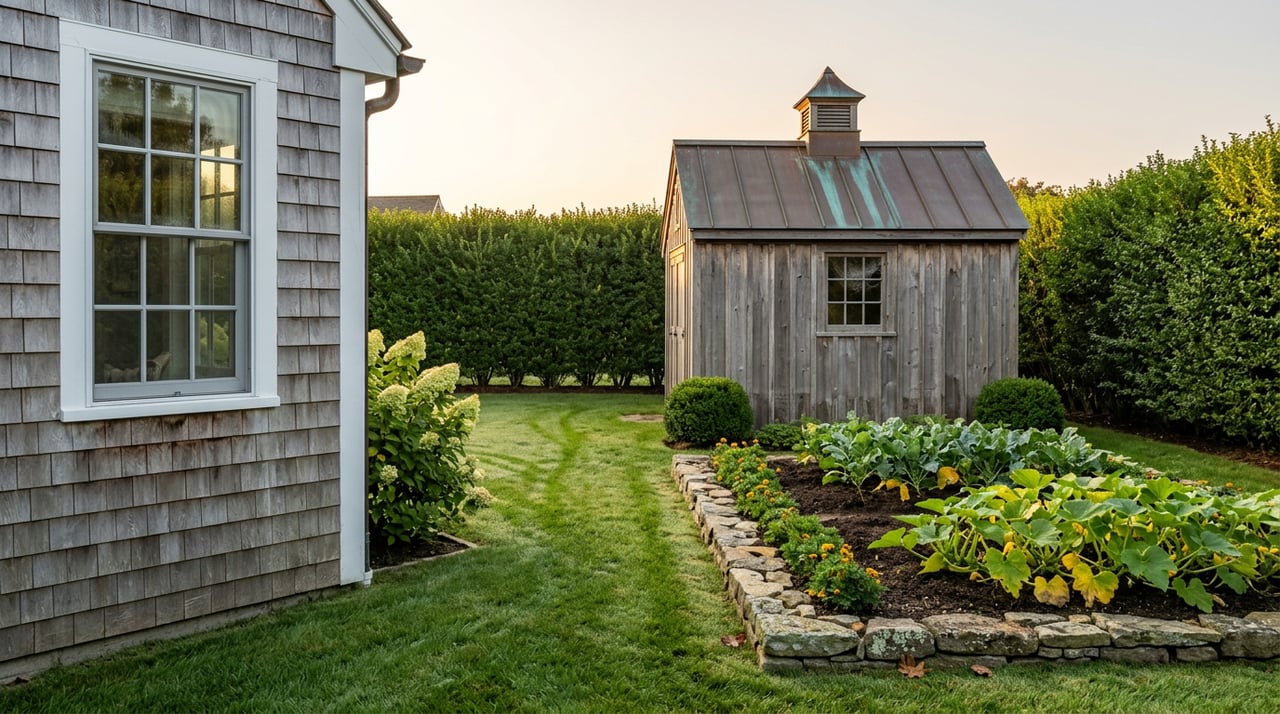
For Dartmouth homes, presentation often extends beyond the main living spaces. Because the town is known for its coastline, harbor access, beaches, and outdoor recreation, buyers may pay close attention to exterior areas and practical lifestyle spaces. Depending on the property, that can include porches, decks, entryways, mudrooms, landscaping, and organized storage for beach or boating gear.
Not every room needs the same level of effort. If you want to prioritize where staging and styling matter most, national staging research offers a helpful guide.
The top rooms to stage are:
These rooms tend to shape a buyer’s first impression of comfort, function, and overall care. If those spaces feel clean, bright, and easy to understand, buyers are more likely to feel confident about the home as a whole.
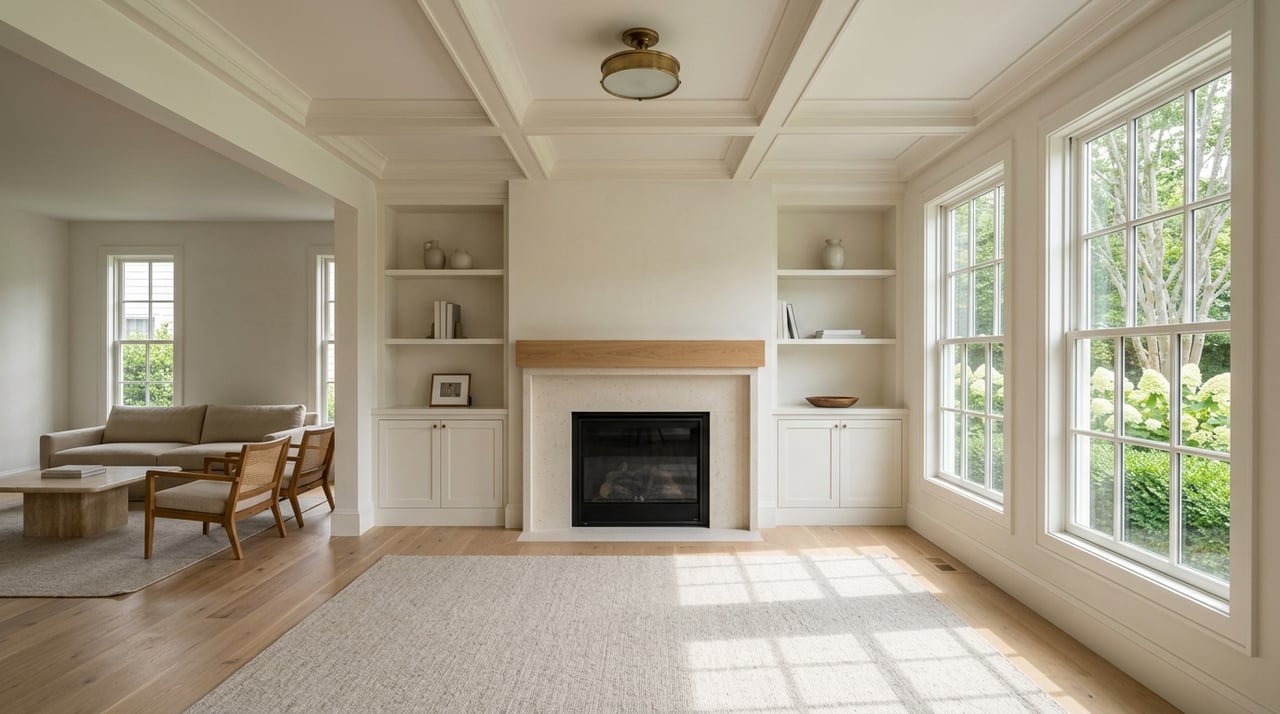
That does not mean every home needs a full redesign. Often, the best presentation plan is a focused one. Simple changes like editing furniture, improving lighting, neutralizing decor, and sharpening the look of key rooms can make the asking price feel more defensible.
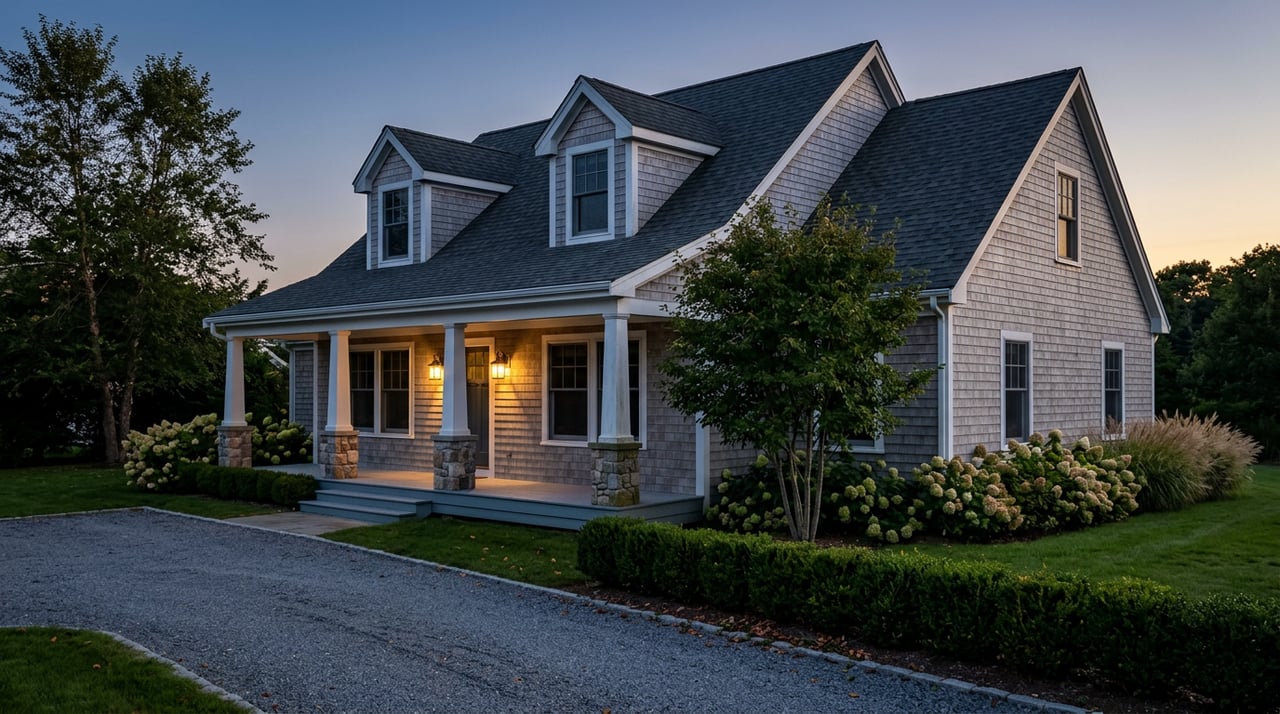
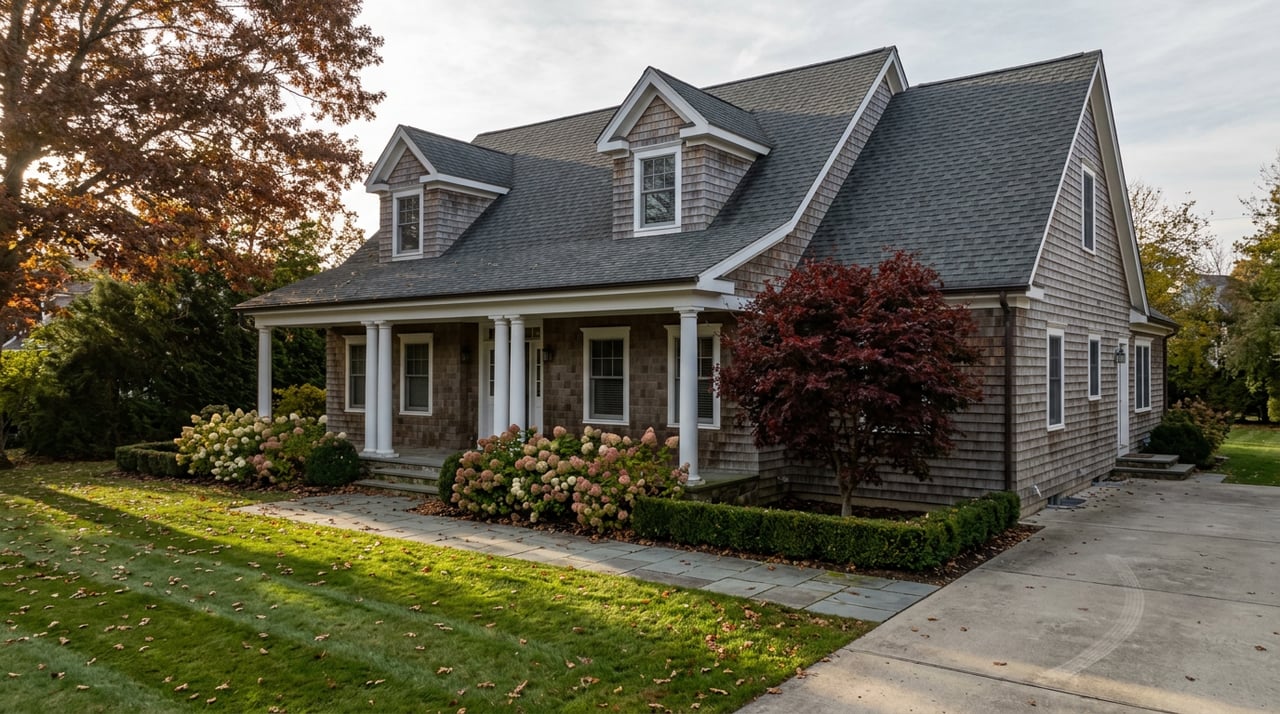
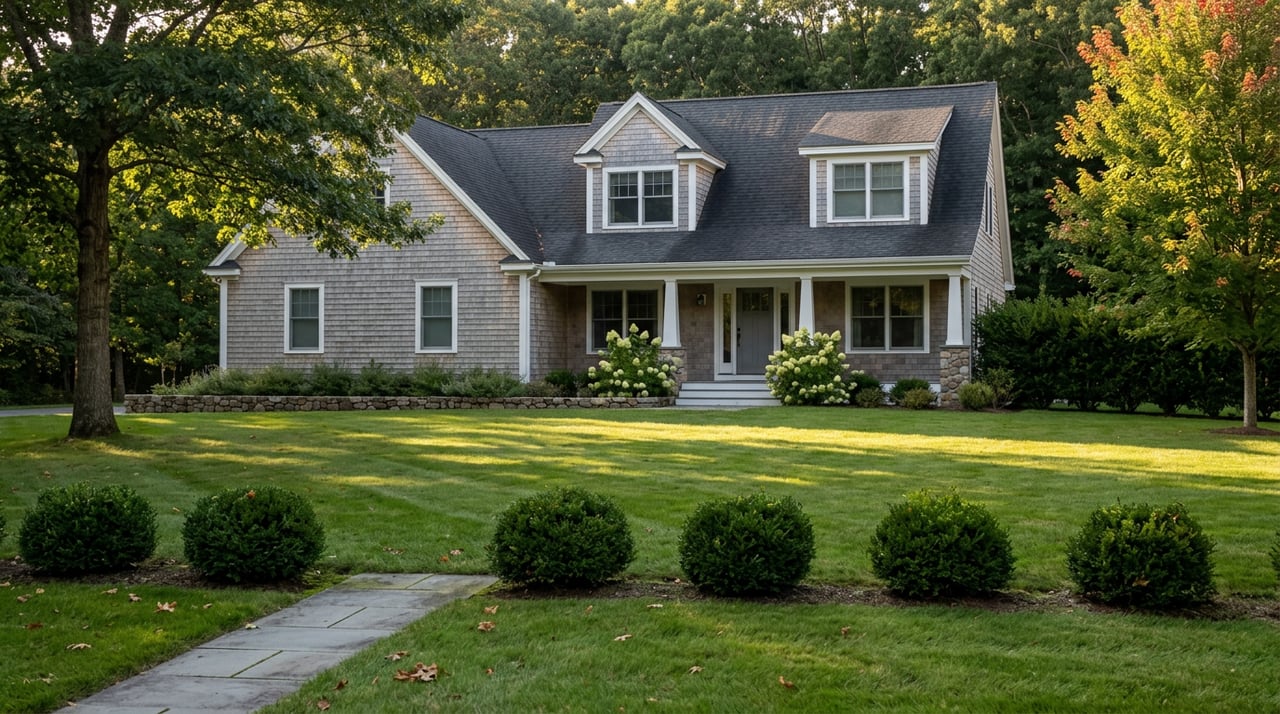
In a place as visually varied as Dartmouth, exterior presentation carries real weight. Buyers may be drawn to the setting before they even step inside. That first impression starts at the street, the driveway, and the front entry.
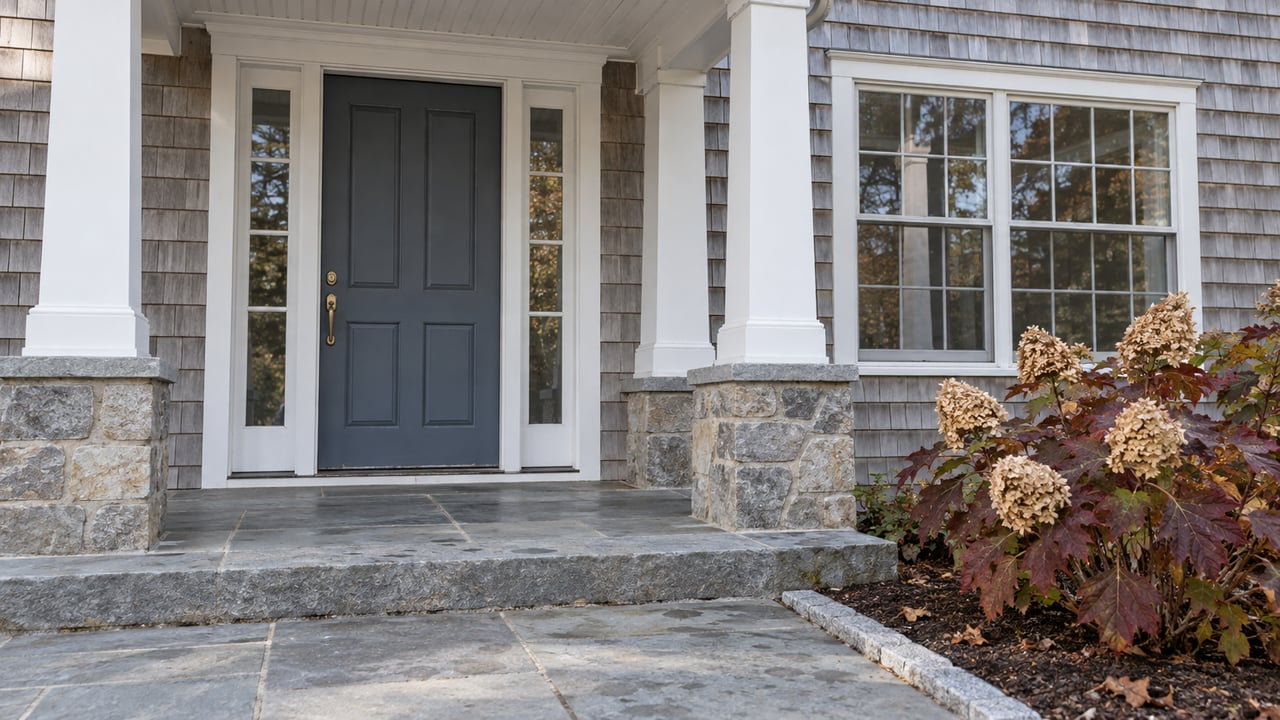
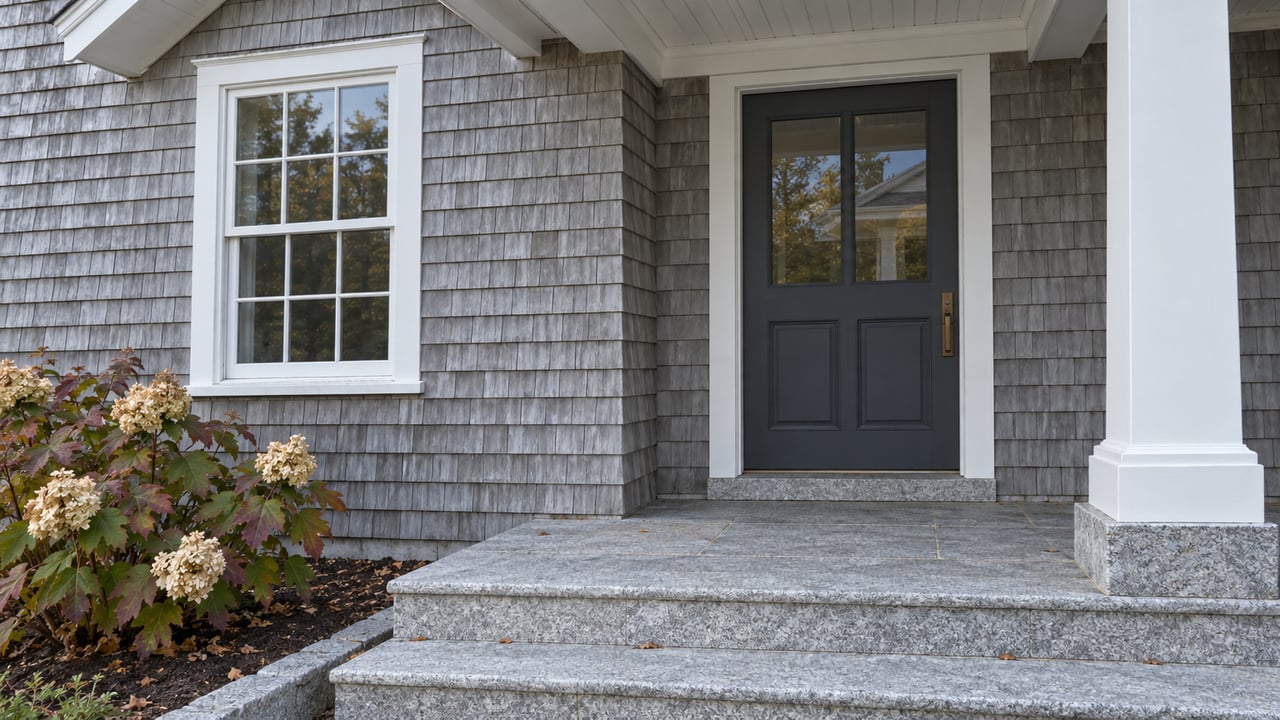
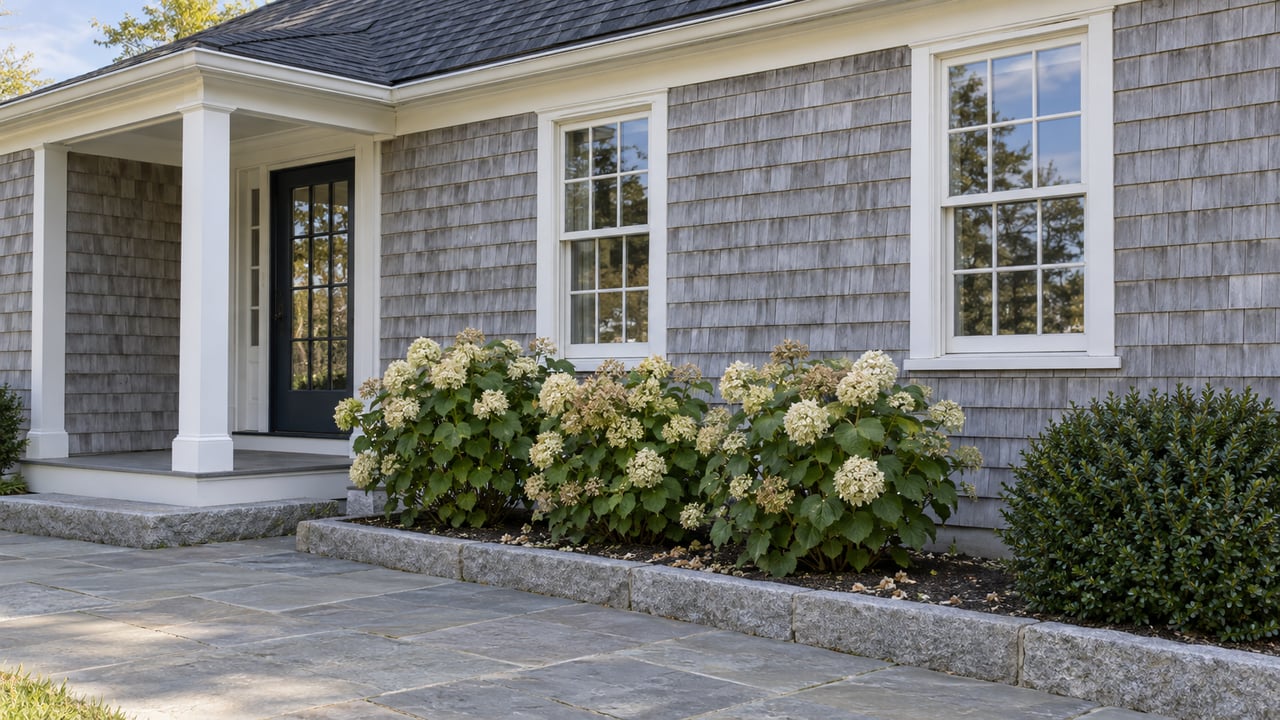
Landscaping, trimmed shrubs, fresh mulch, tidy walkways, and a clean front door can all help frame the home well. For coastal or South Dartmouth properties, outdoor living areas may also play an important role in value perception. A deck, porch, or yard that feels cared for can reinforce the lifestyle buyers are hoping to find.
This matters because buyers are comparing both numbers and visuals at the same time. When a home looks ready, the price feels easier to accept.
Some sellers know their home needs a few improvements before launch but would rather not pay those costs upfront. That is where Compass Concierge may fit the plan.
Compass presents Concierge as a zero-due-until-closing program for services such as staging, flooring, painting, landscaping, deep cleaning, decluttering, and cosmetic renovations. Compass states that repayment is due when the home sells, when the listing agreement ends, or after 12 months from the Concierge start date.
For the right property, this can make it easier to complete the work that supports pricing and presentation without delaying the launch. It also helps create a more coordinated, project-managed process, which can be especially valuable when timing matters.
Not every listing needs to appear on public websites on day one. In some cases, a phased launch can help refine pricing, gauge buyer response, and build momentum before the broader public debut.
Compass describes its three-phase approach as Private Exclusive, then Coming Soon, then public websites and the MLS. Compass says Private Exclusives are shared within its network of 340,000 agents and their serious buyers. According to Compass, this approach can help test price, gather engagement insights, and build anticipation without creating public days on market or visible price-drop history.
Compass also states that homes marketed before going active on the MLS were associated with a 2.9% higher closing price, a 20% faster time to contract, and a 30% lower likelihood of a price drop. Those are Compass’s stated outcomes, and they can be useful as part of a broader strategy discussion.
The best Dartmouth listings usually do not rely on one tactic alone. They combine accurate pricing, strong preparation, polished marketing, and a launch strategy that fits the home. When those pieces line up, buyers are more likely to see the value quickly and respond with confidence.
That is especially important in a town with stable, owner-heavy housing patterns and many long-term households. Dartmouth’s population profile, owner-occupied housing rate of 76.0%, and 89.0% share of residents living in the same house one year earlier suggest a market where thoughtful positioning matters. In a place where many homeowners stay put, each listing has to stand out for the right reasons.
If you are preparing to sell, the real question is not just what price to choose. It is how to support that price with the right evidence, the right presentation, and the right rollout.
If you want a data-driven plan tailored to your home, your neighborhood, and your goals, schedule a consultation with Erin Hovan.
Our team takes great pride in helping clients reach their real estate goals, consistently earning five-star reviews for our dedication and expertise. We serve as trusted advisors to individuals, families, and developers seeking the area’s most desirable properties.