Your First Time Home Buyer Guide for Dartmouth, MA
June 18, 2026
June 18, 2026
Buying your first home in Dartmouth can feel exciting and a little intimidating at the same time. You are likely balancing budget, location, financing, and timing while trying to make sense of a market that does not behave the same way from one part of town to the next. The good news is that with the right plan, you can shop smarter, avoid common surprises, and move forward with confidence. Let’s dive in.
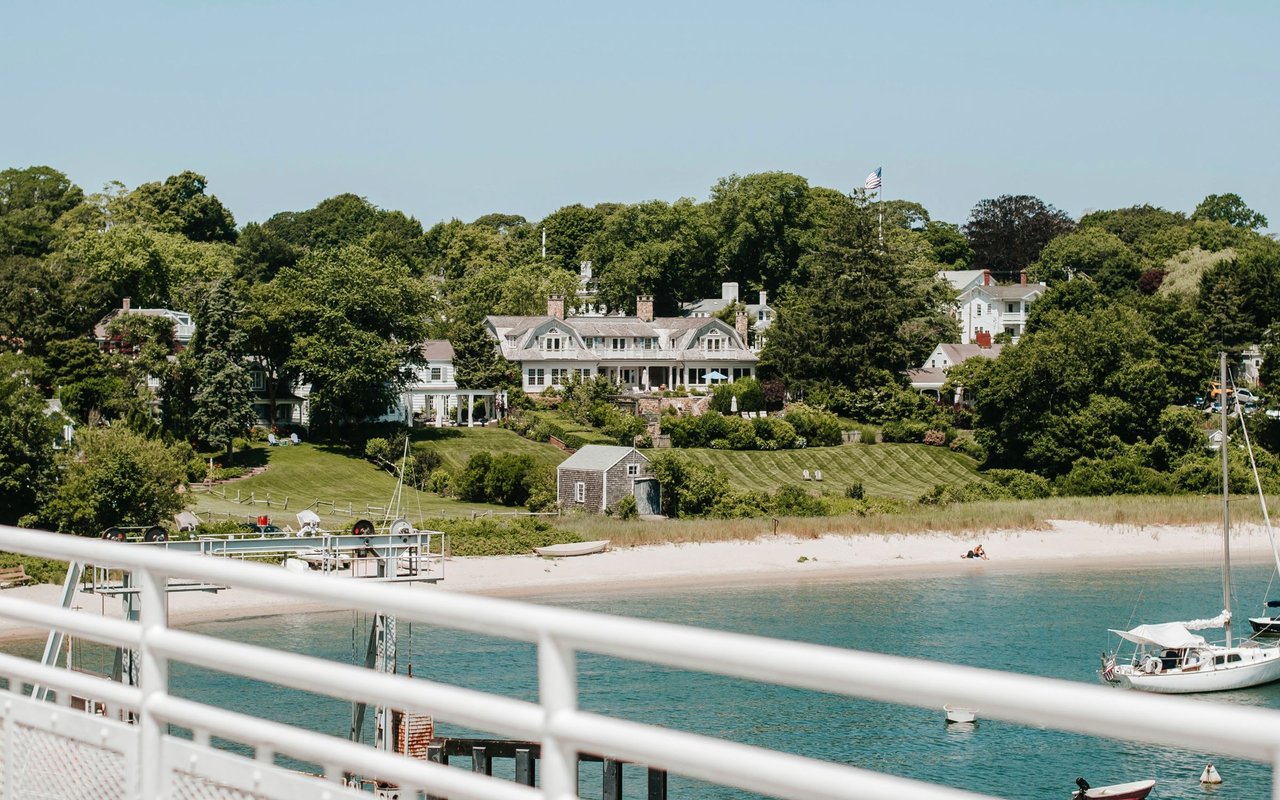
Dartmouth is a large South Coast town with a coastal southern section, several estuaries, and a more rural northern area. Route 6 and I-195 are the main access corridors, which also shapes how different parts of town feel and function for daily life.
For a first-time buyer, the biggest takeaway is simple: Dartmouth is not one uniform market. Coastal areas, village areas, and inland neighborhoods can come with very different price points, property features, and due diligence needs.
Recent market snapshots show Dartmouth at the higher end of the South Coast market. Realtor.com reported a median home sale price of $842,338 in December 2025, and an April 2026 snapshot showed a median listing price of $841,000 with 67 homes for sale.
Those townwide numbers are helpful, but they do not tell the whole story. Some lower-price pockets in Dartmouth were reported around $399,000 in South End and $434,900 in West End, while South Dartmouth showed a much higher median home price of $937,500 in late 2025.
That range matters when you are building your search. If your budget feels stretched by the townwide median, it may make more sense to compare specific areas inside Dartmouth rather than rule the town in or out too quickly.
In recent snapshots, yes. Bristol County's median listing price was $549,900 in March 2026, while nearby New Bedford was $440,000, Fairhaven was $539,900, and Westport was $795,000.
That means Dartmouth often asks first-time buyers to be especially clear about priorities. You may need to weigh tradeoffs between location, home condition, lot size, and proximity to the coast.
Dartmouth has been active rather than slow, even though the pace changes from one report to the next. Recent snapshots showed homes selling close to asking price on average, with sale-to-list ratios near 98% to 100% and days on market ranging from 28 to 50.
For you, that means preparation matters. A strong first-time buyer strategy usually starts with mortgage preapproval, a clear monthly payment ceiling, and the ability to move quickly when the right home appears.
Before you tour homes, define what you can comfortably afford each month, not just the maximum a lender may approve. Your budget should account for principal, interest, taxes, insurance, utilities, and likely maintenance.
In Dartmouth, taxes deserve a closer look because the exact bill can vary by property. Town officials said in March 2026 that Dartmouth had a tax rate of $8.03 per $1,000, with an FY2026 average home assessment of $657,047 and an average annual tax bill of $5,276.
There is one more local detail to watch. Residential tax rates can vary by fire district, so you should confirm the exact district and estimated tax bill for any property before you write an offer.
One of the most common first-time buyer mistakes is assuming the down payment is the only cash you need. It is not. Down payment money and closing money are two different parts of the purchase.
MassHousing says closing costs can include items like:
Even if you qualify for a down payment assistance program, you may still need cash for the offer process and closing. The CFPB also says your final Closing Disclosure must be delivered at least three business days before closing, which gives you time to review final numbers before the transaction is completed.
If you are buying your first home in Dartmouth, there are several programs worth asking your lender about. Each works differently, and eligibility rules matter.
MassHousing offers statewide down payment assistance of up to $30,000 for eligible first-time homebuyers purchasing a primary residence in Massachusetts. This assistance is available only with an affordable MassHousing mortgage loan, and eligibility is determined through a MassHousing-approved lender.
If you think your savings are your biggest hurdle, this is one of the first programs to discuss early in the process.
The Massachusetts Housing Partnership's ONE Mortgage program is another path for eligible first-time buyers. MHP says the program can offer as little as 3% down, a low fixed interest rate, no PMI, and financial assistance for qualified buyers.
To qualify, you generally must not have owned a home in the prior three years, must stay under the program's asset limit of $75,000 with some exclusions, and must complete homebuyer education before working with a participating lender.
Dartmouth has also offered its own Homebuyer Assistance Program, or HAP, for qualifying first-time buyers. In the 2026 round, the town offered two grants of up to $195,000 for income- and asset-qualified buyers purchasing an existing 2- or 3-bedroom Dartmouth home, plus up to $1,000 in inspection reimbursement.
This program came with important conditions. Buyers needed mortgage preapproval, proof of down payment funds, a minimum 3% down payment with at least half from the buyer's own funds, household income at or below 80% AMI, household assets capped at $75,000, and monthly housing costs at or below 38% of monthly income.
There were also property requirements. The home had to be your primary residence, and if applicable, it needed a passing Title V certificate or another acceptable septic solution.
Just as important, homes purchased through Dartmouth's HAP were subject to a deed rider that permanently restricts resale value and requires a future buyer to meet income and asset eligibility. That can be a strong affordability tool, but you should understand how it affects long-term flexibility.
Because the 2026 round opened on April 21 and closed on June 2, this program should be viewed as periodic local assistance, not a guaranteed year-round option.
A smart Dartmouth search starts with comparing areas, not just listings. Since pricing can shift meaningfully between inland and coastal sections, your strategy should focus on where your budget and lifestyle needs overlap.
You may find that an inland pocket offers a more comfortable entry point, while a coastal location may require more compromise on size, condition, or timing. A neighborhood-level review can help you decide whether you want to prioritize price, proximity to the water, or a particular setting within town.
Because Dartmouth homes have recently sold close to asking price on average, your offer strategy should be clean and realistic. That does not mean overpaying. It means understanding the local market, your ceiling, and what terms make your offer easier for a seller to accept.
A strong plan often includes:
In a market where timing matters, clarity is a real advantage.
Dartmouth buyers should pay close attention to property-specific details that may not come up the same way in every town. The most notable local issues in the available sources are coastal-versus-inland differences, fire-district tax variations, and septic or Title V review where applicable.
If a property is not connected to sewer, septic review can become especially important. Dartmouth's own HAP requirements highlight the need for a passing Title V certificate or another adequate sewage disposal solution, which makes this a practical issue for many buyers, not just program applicants.
That is why it helps to ask the right questions early. Your lender can help you review financing options, your real estate agent can help you compare neighborhood-level pricing and tax district details, and your inspector can flag repair or septic concerns that may affect value or closing timing.
If you want to make your first Dartmouth purchase feel more manageable, keep your process simple and organized.
Preapproval helps you understand your borrowing power and lets you act quickly in an active market.
Separate your down payment funds from your estimated closing costs so you know what you can truly spend.
Do not rely only on the townwide median price. Look at neighborhood and submarket differences to find the best fit.
Ask whether MassHousing, ONE Mortgage, or a future Dartmouth HAP round could apply to your situation.
Confirm tax district information and investigate septic or Title V needs early in the process.
When the right home matches your budget and goals, a prepared and well-structured offer puts you in a stronger position.
Buying your first home in Dartmouth is absolutely possible, but it usually works best when you approach it with local market context and a clear process. If you understand the price differences across town, plan for both down payment and closing costs, and pay attention to local tax and septic details, you can make better decisions from the start.
If you are thinking about buying your first home in Dartmouth and want clear, neighborhood-level guidance, schedule a consultation with Erin Hovan.
Our team takes great pride in helping clients reach their real estate goals, consistently earning five-star reviews for our dedication and expertise. We serve as trusted advisors to individuals, families, and developers seeking the area’s most desirable properties.