Relocating to Marion MA From Boston or Providence
April 23, 2026
April 23, 2026
Thinking about trading Boston or Providence for a quieter coastal town? Marion can feel like a big lifestyle shift, even if the map says you are not that far away. If you are wondering what daily life, housing, and commuting really look like, this guide will help you compare the move with clearer expectations. Let’s dive in.
If you are moving from Boston or Providence, the first thing you will likely notice is scale. U.S. Census QuickFacts for Marion estimates a population of 5,341 and a density of 378.5 people per square mile, which is a very different experience from either city.
Marion also has a more established ownership base. The same Census data shows a 90.8% owner-occupancy rate, and 94.0% of residents lived in the same home one year earlier. For you as a buyer, that can point to a more stable, lower-turnover housing environment.
The age profile is different too. Census data shows 27.3% of Marion residents are age 65 or older, which helps explain why the town often feels quieter and more settled than Boston or Providence.
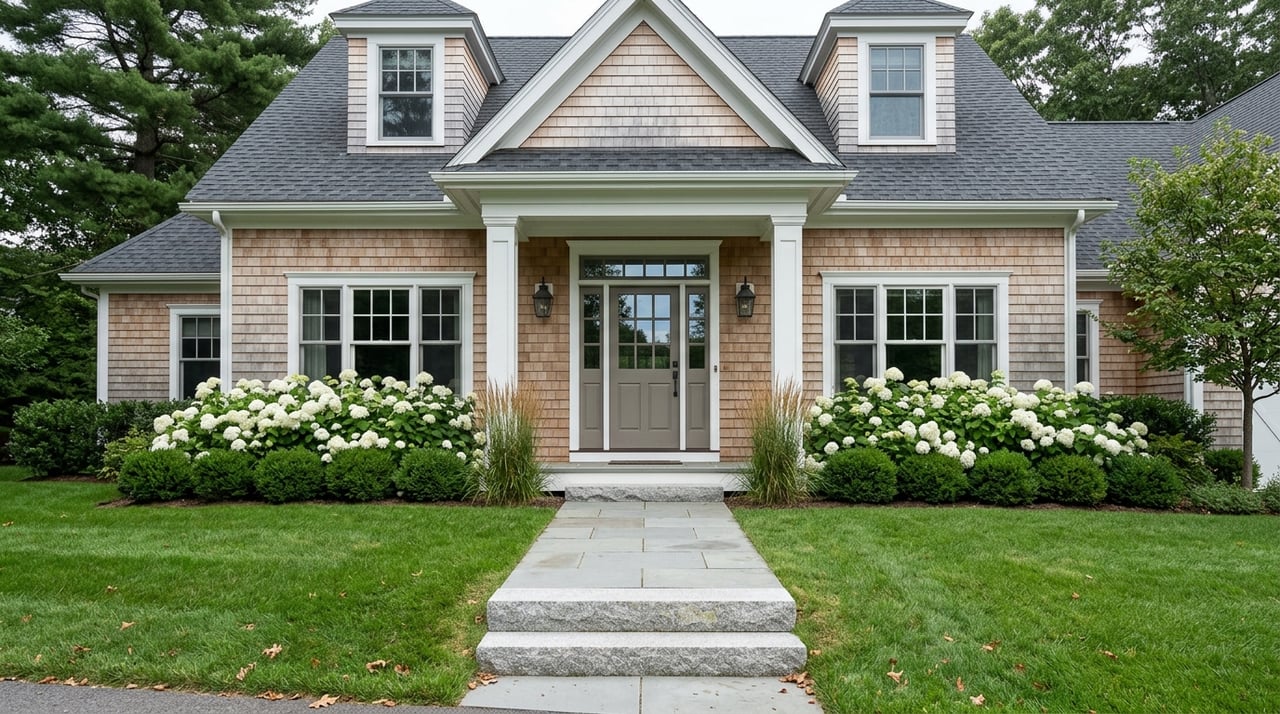
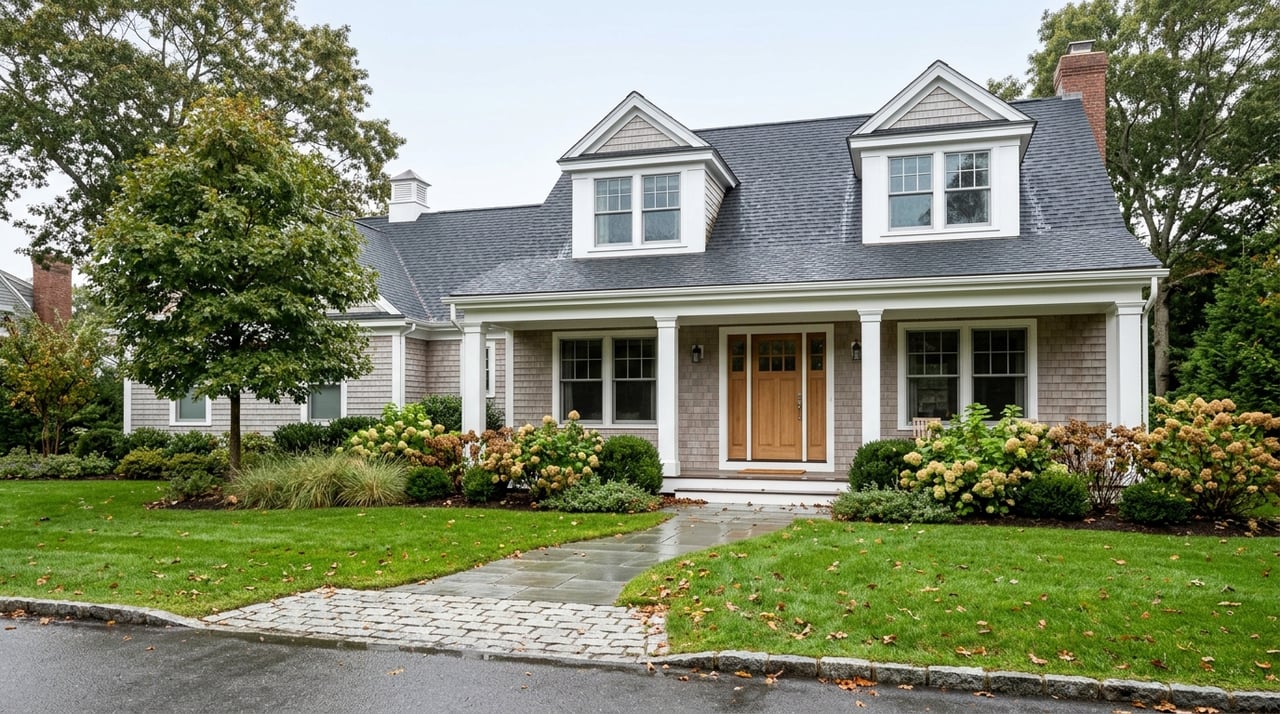
Housing in Marion is not just “less city.” It is a different housing landscape with more single-family homes, more privacy, and more variety in lot size, age, and setting.
According to Census QuickFacts, Marion’s median owner-occupied home value is $653,500. That compares with $731,700 in Boston and $362,200 in Providence. Those numbers are useful for broad context, but in a small coastal market, pricing can vary significantly by location, condition, and waterfront access.
The housing mix can also make pricing feel less predictable. The research report notes that Marion has everything from historic village homes to postwar neighborhoods and later development, which means two homes at similar price points may offer very different lifestyles.
If you need short-term housing before you buy, Marion is also different on the rental side. Census data lists a median gross rent of $1,176, compared with $2,147 in Boston and $1,408 in Providence. That does not mean rentals are always easy to find, but it does reinforce that Marion operates in a distinct housing market.
One of the best ways to understand Marion is to stop thinking of it as one uniform town. Marion’s Historic Survey Plan divides the town into five planning areas, and each one creates a different day-to-day experience.
Marion Village is the compact civic and commercial core. Old Landing reflects the town’s earliest settlement pattern and former rail-related area. If you want a more traditional village feel, these areas are often where you start.
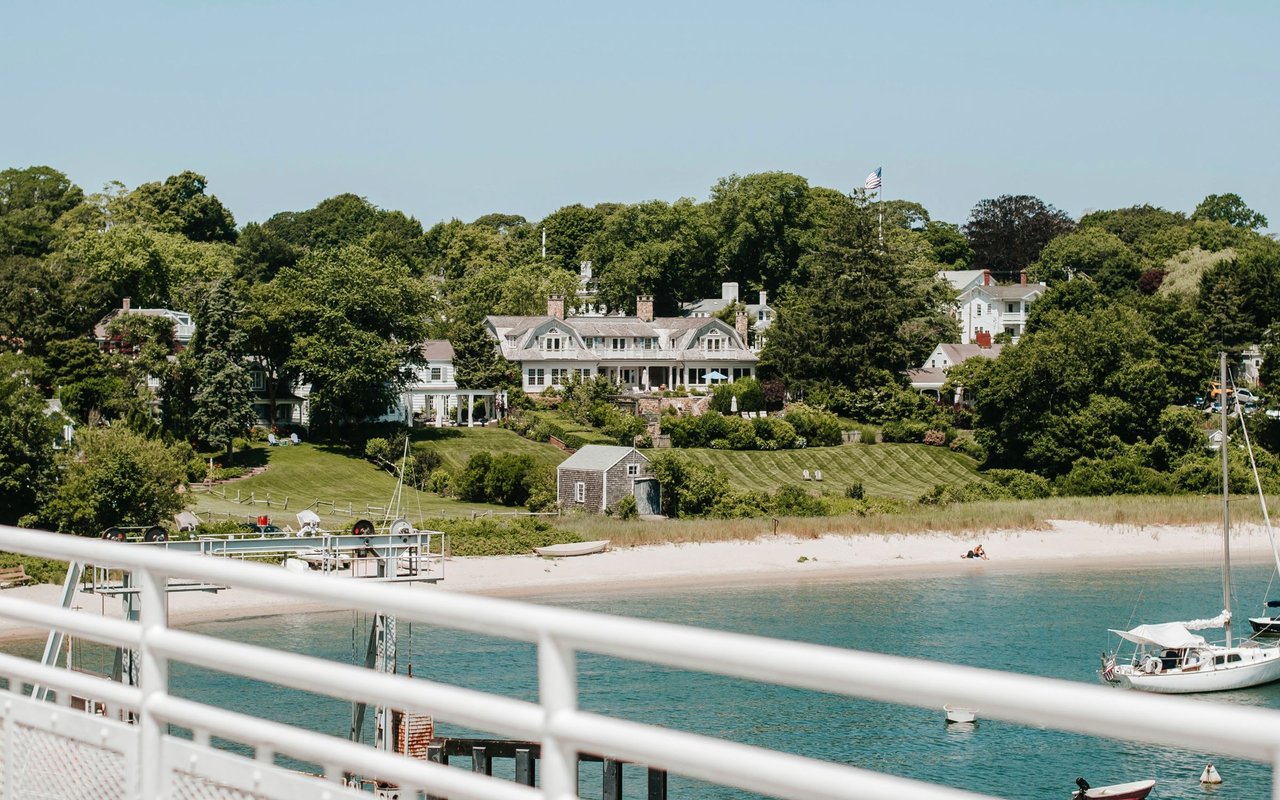
East Marion and South Marion are more waterfront- and resort-oriented in character. For buyers leaving the city and hoping for a stronger coastal feel, these sections may offer the kind of setting that makes the move feel transformative.
North and West Marion are more inland and conservation-oriented. If you are looking for a quieter setting with more open space and less focus on immediate harbor access, this part of town may be worth a closer look.
Marion is not just a town of old shoreline cottages. The Historic Survey Plan estimates 545 dwelling units built before 1939, more than 700 units built between 1940 and 1969, and more than 1,100 units built between 1970 and 2010.
That matters if you are coming from a condo-heavy or multifamily-heavy urban market. In Marion, you are more likely to encounter detached homes, larger lots, and a wider range of maintenance considerations tied to age, systems, exterior materials, and site conditions.
Historic character can also shape future plans. The Marion Historical Commission notes the town has been working toward a broader survey of historic buildings, and a Marion Village Local Historic District Study Committee has explored whether a local historic district should be created. If you are considering major exterior changes, especially in the village area, that is something to review early.
For many relocation buyers, commute reality is the make-or-break factor. Marion is best understood as a car-first town, not a transit-centered suburb.
The research report cites TravelMath estimates of about 58 miles and roughly 1 hour 4 minutes from Marion to Boston, and about 43 miles and 50 minutes from Providence to Marion under typical conditions. That makes Marion more realistic for hybrid schedules, occasional city trips, or buyers who can tolerate a longer drive.
Regional rail can still be part of the picture, but usually not in the same way it would be in a denser commuter town. Massachusetts public transportation information shows rail service in the broader region includes MBTA Commuter Rail and South Coast Rail stations in places like Middleborough, New Bedford, Fall River, and East Taunton. In practice, many Marion residents still rely on driving or driving to a station.
Marion’s own local transportation options are more limited and locally focused. The town provides information about Council on Aging rides for errands, grocery trips, medical appointments, and the community center, which can be helpful for local needs but is not a replacement for a city-style transit network.
A move to Marion is not just about square footage. It is also about how your routines shift once you leave a city environment.
Marion’s waterfront access is more neighborhood-based and regulated than what you may be used to in a city. The town’s beaches page explains that Silvershell Beach, Planting Island, and the Beach at Oakdale Avenue are resident-only beaches, with Silvershell offering seasonal lifeguards, a playground, and a basketball court.
That can be a positive if you want a more local rhythm. It also means access rules, parking, and resident stickers can shape your daily summer routine in a very practical way.
Marion feels greener and quieter in part because so much land is protected. According to the town’s Open Space Acquisition Commission, Marion holds title to 631 acres, including the 282-acre Hales Brook/Sippican River Reservation.
If you are coming from a dense neighborhood in Boston or Providence, this can be one of the most meaningful quality-of-life changes. You may trade walkable commercial density for more natural space, less noise, and a slower pace.
If school planning is part of your move, Marion’s structure is straightforward but important to understand. The Marion School Committee oversees Sippican School for Pre-K through grade 6, while the Old Rochester Regional School District serves grades 7 through 12.
The same school information notes that Marion School District grades K-6 will not participate in school choice for the 2026-2027 school year, while the regional district does participate for grades 7-12. If that matters to your household, it is worth factoring into your home search timeline and town comparison.
The best relocation visits are practical, not just scenic. A quick sunny drive through town can be helpful, but it usually does not tell you how life will actually work.
Start by comparing the town’s different planning areas. Visit Marion Village and Old Landing for the civic core, then East Marion and South Marion for more waterfront character, and finish in North and West Marion for a more inland setting. That neighborhood contrast will tell you more than trying to see everything at once.
You should also drive your likely commute at the time you would actually use it. The research report notes that Route 6 and I-195 are key structural roads in Marion’s development pattern, so weekday evening or Sunday return traffic may give you a more honest picture than a midday visit.
If schools are part of your decision, include Sippican School and the ORR middle and high school campus in Mattapoisett on your route. If beach access is a priority, check Silvershell Beach at different times so you can see how parking demand and the resident system may affect your routine.
Marion can make sense if you want more space, a quieter coastal setting, and a housing market shaped by long-term ownership rather than frequent turnover. It can also be appealing if you value historic character, detached homes, and a more private neighborhood feel.
It may be a harder fit if you need a short daily commute into Boston, rely on transit, or want the density and convenience of city living. In other words, the key question is usually not whether Marion is beautiful. It is whether the trade-off between space, character, and commute works for the way you actually live.
If you are weighing Marion against Boston, Providence, or other South Coast towns, working with a local, process-driven advisor can help you compare options with more clarity. If you want guidance on neighborhoods, commute trade-offs, and the local housing mix, Erin Hovan can help you build a smart relocation plan.






Our team takes great pride in helping clients reach their real estate goals, consistently earning five-star reviews for our dedication and expertise. We serve as trusted advisors to individuals, families, and developers seeking the area’s most desirable properties.