Bourne's Median Home Price Describes a House That Doesn't Exist
September 10, 2026
September 10, 2026
Pull up two listing sites in the same week and search Cataumet, and you'll find numbers that can't both be true. One shows the village's median sale price climbing over $2.5 million, up more than 200 percent in a year. Another, built from a village-by-village sales analysis published in January 2026, shows Cataumet down 34.4 percent over the same period, the steepest one-year drop of any village in Bourne. Same place, same rough window, opposite stories.
Neither site is lying. Both are describing a market so thin that a single sale can swing the average by six figures in either direction. That's the first thing worth understanding before you use "Bourne" as a search term: the town-wide number you keep seeing, somewhere in the $610,000 to $670,000 range depending on the month and the source, is an average of markets that don't move together and sometimes don't move in the same direction at all.
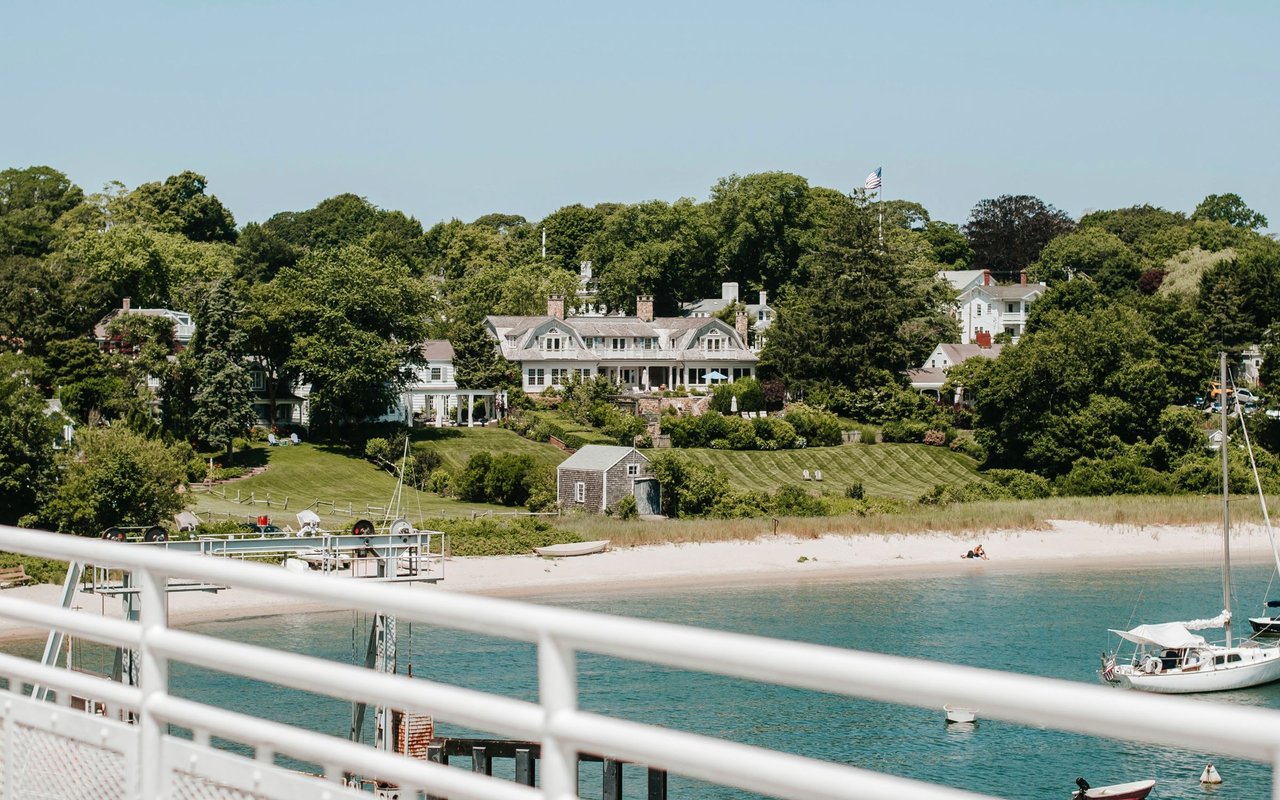
Cataumet's contradiction comes down to volume. The same village-level analysis that flagged the 34.4 percent drop showed Cataumet entering 2026 with only four active listings and three pending contracts, a small enough pool that a single closing can move the median more than any real shift in buyer demand. Cataumet's homes also sit on the market far longer than typical, averaging well over 140 days against a national average of 58 days for the same stretch. When a village produces that few closed transactions in a year, the median isn't tracking demand so much as it's tracking which specific houses happened to close. A single waterfront estate on Squeteague Harbor can pull a thin sample toward $2.5 million. A quieter run of smaller Cape-style sales can pull the same sample back toward $740,000.
The lesson isn't that Cataumet is unpredictable. It's that a percentage change calculated from four or five sales is not the same kind of number as a percentage change calculated from fifty. Treat both the same at your own risk.
Here's the pattern that actually explains 2025, and it has nothing to do with any individual village's charm or lack of it. Bourne is the only town in Massachusetts that physically straddles the Cape Cod Canal. One side sits on what locals and mapmakers still call the mainland, the other on the Cape proper, and the villages split cleanly along that line.
| Side of the Canal | Village | 2025 change vs. 2024 |
|---|---|---|
| Mainland | Sagamore | +16.5% |
| Mainland | Buzzards Bay | +6.9% |
| Cape | Monument Beach | +5.6% |
| Cape | Sagamore Beach | -5.5% |
| Cape | Pocasset | -5.9% |
| Cape | Bourne village | roughly -10% |
| Cape | Cataumet | -34.4% |
The combined town-wide median dropped from $635,000 in 2024 to $610,000 in 2025, a decline of about 3.9 percent. That single figure is the one that shows up on a portal search. It tells you almost nothing, because it's averaging a mainland side that gained value with a Cape side that mostly lost it, and burying a genuine bright spot (Monument Beach, up modestly) inside a Cape-side column dominated by decliners.
If you're comparing Bourne to a neighboring town using that town-wide median, you're comparing an apple to something that's actually two different pieces of fruit stapled together.
The gains on the mainland side aren't random. Buzzards Bay in particular has spent the last several years turning a pass-through rotary into a place people choose to live. The village's Main Street corridor has added new restaurants and shops in storefronts that sat empty for years, anchored by the town park along the water and the long-standing presence of Massachusetts Maritime Academy at the north end of the village. The Cape Flyer, the seasonal weekend train that runs from Boston's South Station to Hyannis, stops directly in Buzzards Bay, which matters for a slice of the buyer pool that wants Cape access without owning a car for every trip.
The town has also been actively planning for more housing on the mainland side. At a Special Town Meeting on October 20, 2025, Bourne approved a Multi-family Overlay District in Buzzards Bay covering roughly 45 acres and modeled to support up to 750 new dwelling units, on top of a previously approved 106-unit project at 218 Main Street that includes independent living, assisted living, and memory care units. That's a town government putting its zoning weight behind mainland-side growth, not a developer's marketing pitch.
Then there's the plainest mechanism of all: the bridge itself. A typical no-traffic drive from Bourne to Boston runs 60 to 75 minutes. Live on the mainland side in Buzzards Bay or Sagamore and you can reach Route 25 or I-495 without ever entering the rotary backups that build at the Bourne and Sagamore bridges on summer weekends and weekday commute hours. Live on the Cape side and that same commute requires crossing one of only two roadway connections between Cape Cod and the mainland, both of which back up predictably. Avoiding that bottleneck every workday is a real, measurable convenience, and buyers have been pricing it in.
There's a second detail that never shows up in a headline sale price but does show up on the tax bill. Bourne's base residential tax rate for fiscal year 2026 is $7.65 per $1,000 of assessed value, down slightly from $7.81 the year before. But several villages carry an additional water district surcharge layered on top of that base rate. Buzzards Bay Water District adds roughly $0.55 per $1,000. North Sagamore Water District adds roughly $0.79 per $1,000. A buyer comparing two similarly priced homes in different villages, one inside a water district and one outside it, is looking at a real carrying-cost difference that no listing price reflects.
This is the part that changes how you should think about the mainland premium if you're buying with anything longer than a two or three year horizon in mind.
MassDOT's Cape Cod Canal Bridges Program is a real, funded, currently active project to replace both the Sagamore and Bourne bridges, each of which opened in 1935 and is now 91 years old. As of spring 2026 the project was in its design and procurement phase, with construction on the new Sagamore Bridge targeted to begin in winter 2027 or early 2028. Traffic is projected to shift onto the first new span by around 2033, with the second span and full completion of the Sagamore replacement following by around 2037. The Bourne Bridge is expected to follow a similar multi-year rebuild, though funding and a firm start date for that bridge remain less settled than for Sagamore. Across both bridges, the total project cost is estimated at $4.5 billion, split between federal and state funding rather than local Cape budgets.
Set that timeline next to the reason mainland-side villages have been outperforming: the bridge bottleneck. The entire premise of a wider, modernized set of bridges is to reduce exactly the delay that currently makes living on the mainland side more convenient than living across it. If the project delivers what it's designed to deliver sometime in the next decade, part of the value gap between Buzzards Bay and Pocasset, or between Sagamore and Cataumet, is riding on an inconvenience that a multi-billion-dollar federal project is actively working to remove. That doesn't mean the gap disappears. It means anyone buying in Bourne with a ten-year hold in mind should treat today's commuter premium as a current condition, not a permanent feature of the map.
Does a declining village mean it's a bad time to buy there? Not necessarily. A village posting a steep percentage decline off a thin sales base, like Cataumet, can just as easily reflect an absence of luxury transactions that year as it does falling demand. Look at the number of actual closed sales behind any village-level percentage before you weigh it.
Should I use the town-wide median at all? Use it to get oriented, not to negotiate. Once you have a village in mind, ask for sales comparisons within that village specifically. A Cataumet home should be compared to other Cataumet homes, not pulled from a town-wide average that includes Buzzards Bay condos and Sagamore ranches.
Is the bridge project going to disrupt property access in the near term? Not immediately. Construction on the new Sagamore Bridge isn't expected to begin until late 2027 at the earliest, and both existing bridges are expected to stay open throughout construction. The near-term impact for buyers is informational rather than physical: understanding where the current commute premium sits relative to where it may sit once the new spans open.
Bourne rewards buyers who understand it's not one market wearing seven village names. If you're weighing a mainland-side commute premium against a Cape-side waterfront lot, or trying to figure out whether a listing's price reflects real village momentum or a thin data set, that's exactly the kind of village-level read Hovan Property Group works through with clients before an offer goes in. You can start with our Bourne neighborhood page or schedule a consultation to talk through which side of the canal actually fits what you're trying to do.
Our team takes great pride in helping clients reach their real estate goals, consistently earning five-star reviews for our dedication and expertise. We serve as trusted advisors to individuals, families, and developers seeking the area’s most desirable properties.